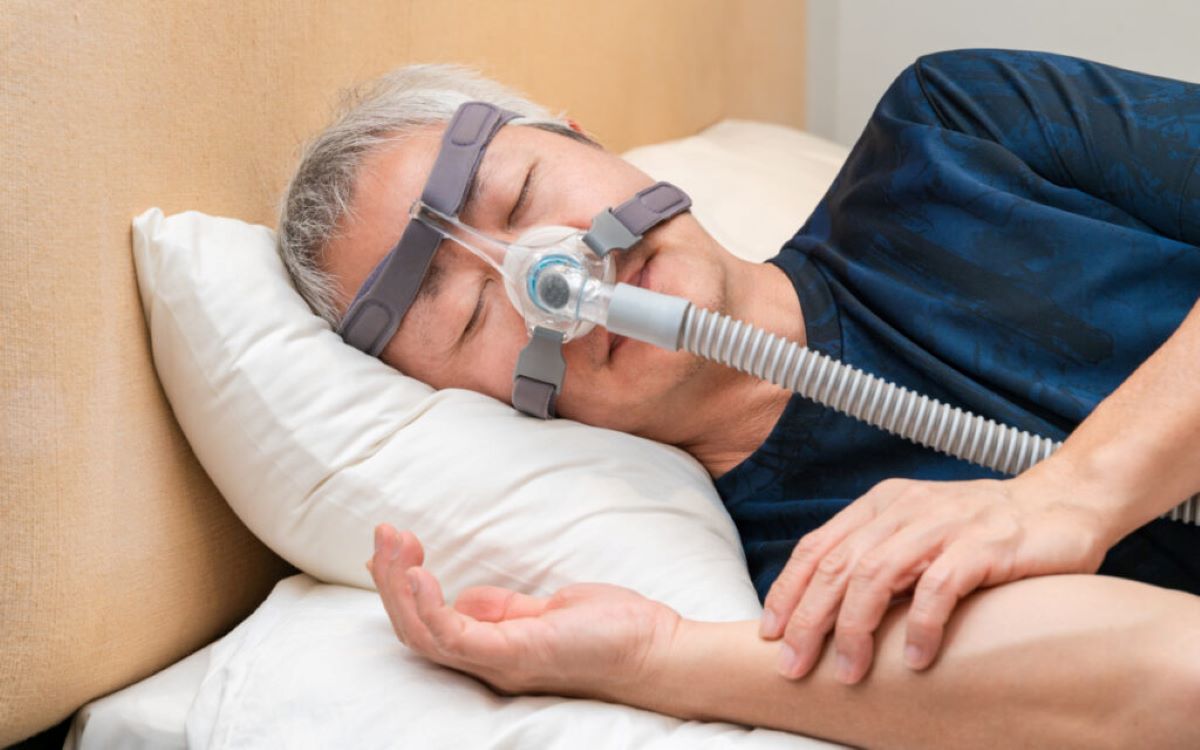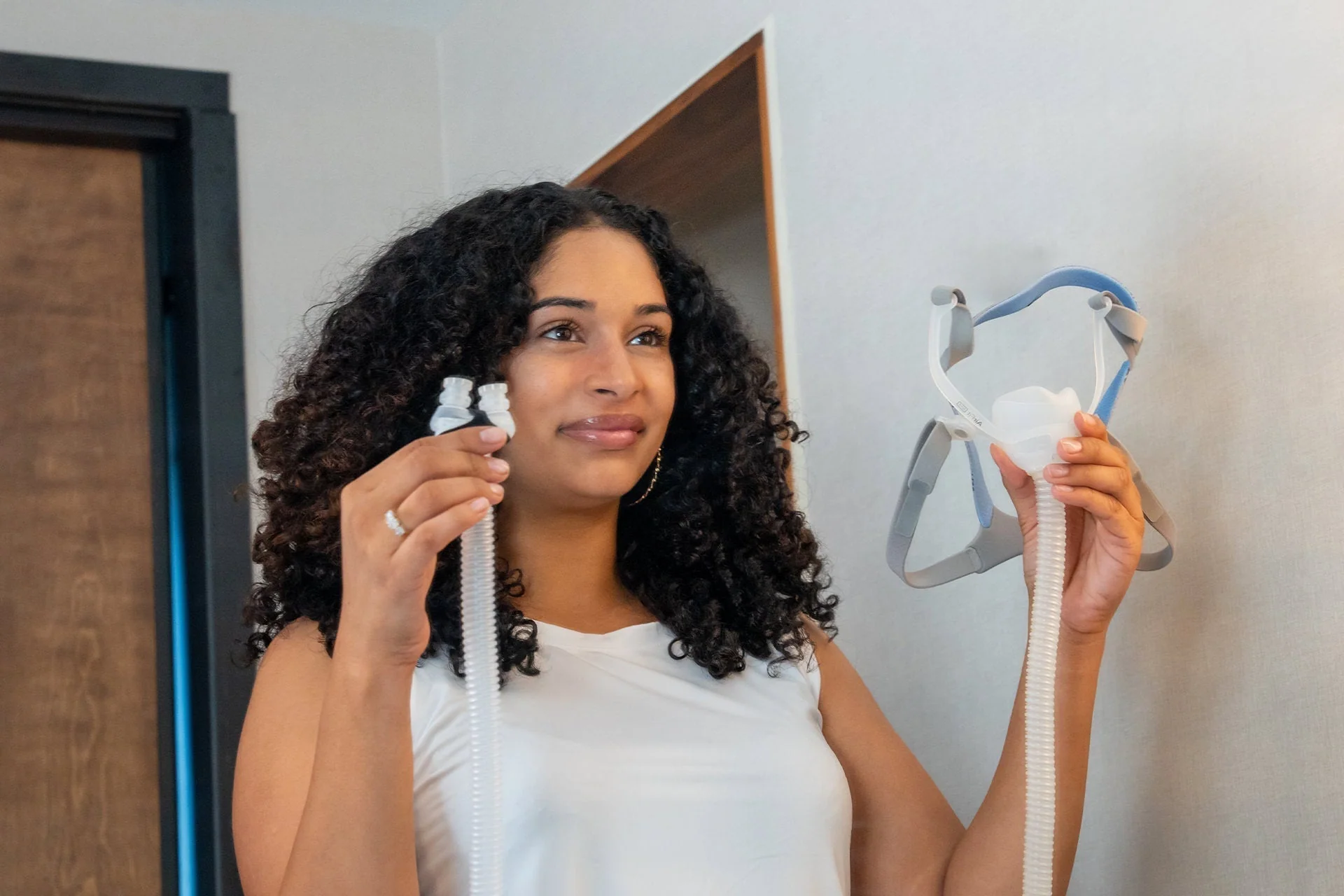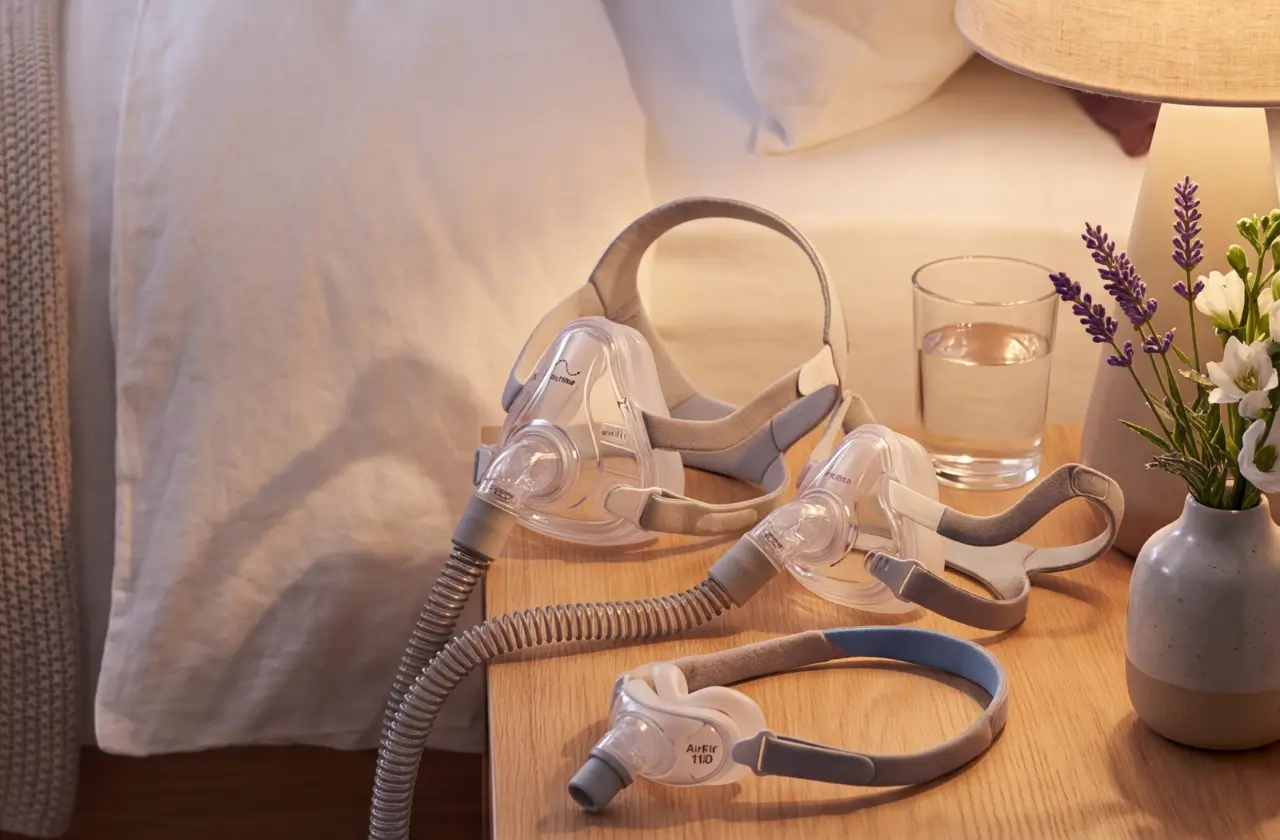
Finding a CPAP mask that actually seals well can feel surprisingly personal. Face shape, sleeping position, skin sensitivity, and even pregnancy-related nasal congestion can all change what works night to night.
This guide ranks the best CPAP masks ranked by face shape using a simple approach: match the mask style to facial structure first, then fine-tune for comfort, pressure points, and breathing needs. It is written to help readers make confident, informed decisions, especially families prioritising better sleep and respiratory care.
What should they match first: face shape or mask type?
They should match face shape first, because seal quality is the biggest driver of comfort and therapy success. A great machine setting cannot compensate for a mask that leaks at the cheeks, pinches the bridge of the nose, or shifts with side-sleeping.
Mask type is still important, but it works best as the second step. In practice, the best CPAP masks ranked by face shape tend to fall into predictable patterns based on nose shape, jawline width, and mid-face contour.
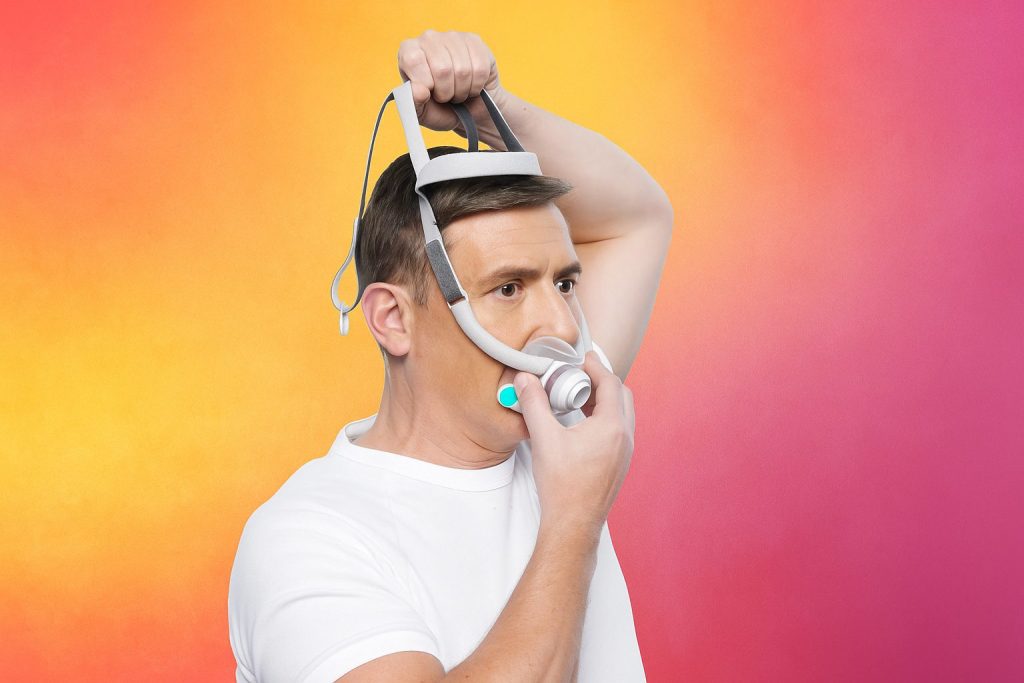
Which face shapes tend to do best with nasal pillow masks?
Oval, heart, and smaller faces often do best with nasal pillow masks, especially when they want minimal facial contact. Nasal pillows seal at the nostrils rather than across the nose, so they avoid pressure on the nasal bridge and reduce claustrophobia for many people.
They may be less ideal for those with frequent mouth breathing, unless paired with a chin strap or trained with nasal breathing support. In many best CPAP masks ranked by face shape lists, nasal pillows are top picks for petite features.
Which face shapes tend to do best with nasal cradle masks?
Round and oval faces often do well with nasal cradle masks because the cushion sits under the nose and spreads pressure across a wider surface. That can feel gentler than pillows for sensitive nostrils, dryness, or irritation.
Cradles also work well for active sleepers because they can be stable without needing tight straps. For readers comparing the best CPAP masks ranked by face shape, cradles are often the “middle ground” between pillows and full-face designs.
Which face shapes tend to do best with full-face masks?
Square, wider, or more angular faces often do best with full-face masks because the larger cushion can seal across a broader area. Full-face masks are also commonly recommended when mouth breathing is frequent, congestion is persistent, or higher pressures are used.
The trade-off is more facial contact and a higher chance of pressure marks if sizing is off. In best CPAP masks ranked by face shape guides, full-face masks frequently win for stability on broader features.
How were these 7 picks ranked?
They were ranked by how consistently each mask style tends to fit certain face shapes, plus practical comfort factors. These include seal reliability, compatibility with side-sleeping, nasal bridge pressure, and how easy it is to adjust.
Prices vary by supplier and health fund arrangements, so this list focuses on fit logic first. When readers search for the best CPAP masks ranked by face shape, this is typically what helps them narrow choices fastest.
Which pick suits small or narrow faces best?
ResMed AirFit P10 is a strong pick for small or narrow faces. It is a nasal pillow mask known for a lightweight frame and minimal contact points, which can reduce rubbing and pressure marks.
Because it sits lightly, they may need to confirm the pillow size to prevent leaks at the nostrils. In best CPAP masks ranked by face shape comparisons, the P10 often suits oval or heart-shaped faces especially well.
Which pick suits round faces best?
ResMed AirFit N30 is a great match for many round faces. It uses a nasal cradle cushion that sits under the nose, helping distribute pressure and reduce sore spots for people who dislike nasal pillows.
It can also feel more stable for restless sleepers because it does not rely on sealing only at the nostrils. For many searching best CPAP masks ranked by face shape, the N30 is a practical, comfort-first option.
Which pick suits heart-shaped faces best?
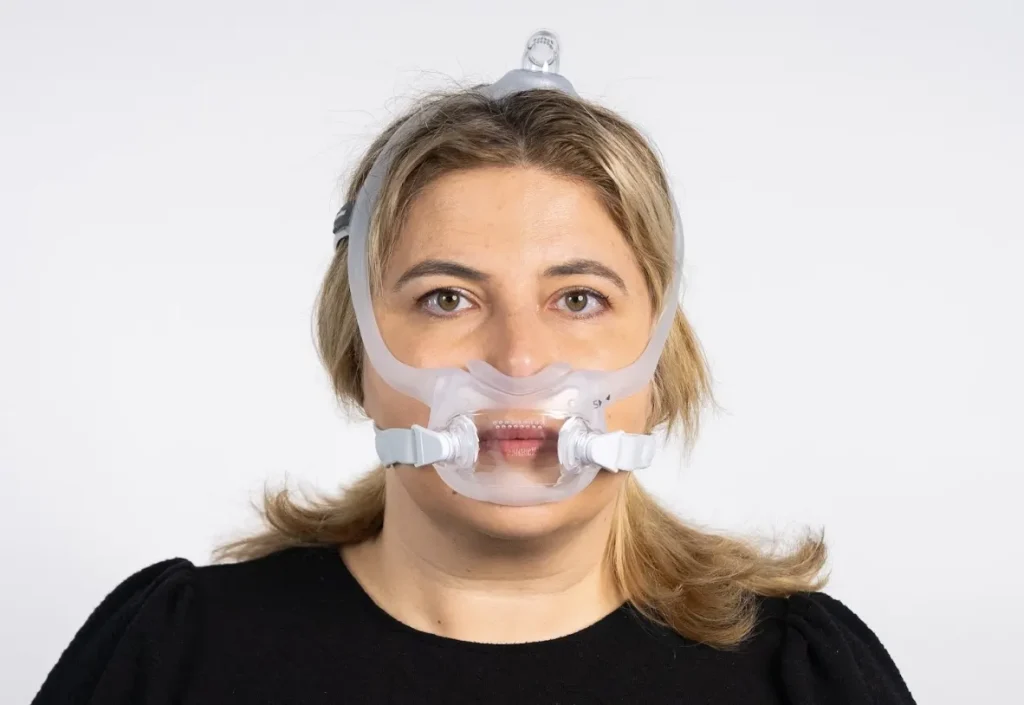
Philips Respironics DreamWear Nasal is a popular choice for heart-shaped faces, particularly where the cheekbones are more prominent and the chin is narrower. Its under-the-nose cushion helps avoid nasal bridge pressure and can reduce the “mask in the middle of the face” feeling.
Its top-of-head hose connection can also help side sleepers keep the tubing out of the way. It is frequently mentioned in best CPAP masks ranked by face shape round-ups for its flexibility.
Which pick suits oval faces best?
Fisher & Paykel Evora Nasal often suits oval faces because it balances stability and a gentle seal. The cushion design aims to sit comfortably under the nose without needing overtight straps, which is useful when they are prone to marks or headaches from pressure.
Oval faces can fit many mask types, so comfort becomes the deciding factor. In best CPAP masks ranked by face shape lists, an oval face usually has the most viable options, and the Evora Nasal is a strong starting point.
Which pick suits square or wide faces best?
ResMed AirFit F20 is a reliable option for square or wider faces, especially when they need a full-face mask for mouth breathing or congestion. Its cushion design is made to handle higher pressures while maintaining a stable seal across a larger facial area.
They should pay attention to sizing and strap tension to avoid over-tightening. For many people exploring best CPAP masks ranked by face shape, the F20 stands out as a dependable “workhorse” full-face choice.
Which pick suits prominent noses or sensitive nasal bridges best?
ResMed AirTouch F20 can work well for people with a prominent nose bridge or sensitivity in that area, particularly if they need a full-face mask but struggle with irritation. The memory foam cushion can feel softer than standard silicone for some users.
Foam cushions require specific cleaning and replacement routines, so they should follow the manufacturer’s guidance. In best CPAP masks ranked by face shape reviews, it is often suggested when comfort is the deciding factor.
Which pick suits combination needs, like side-sleeping and mouth breathing?
Philips Respironics DreamWear Full Face can suit people who need a full-face seal but still want freedom of movement. The design routes airflow through the frame and keeps the hose connection at the top, which many side sleepers prefer.
Fit can be very individual, so they should confirm the correct frame and cushion size. It is a common recommendation in best CPAP masks ranked by face shape guides for those who feel “stuck” between mask categories.
How can they measure face shape quickly at home?
They can do a quick check using a mirror and a phone photo taken straight on. The goal is not perfection, just a practical category: oval, round, square, heart, or diamond.
They should look at three areas: forehead width, cheekbone width, and jawline width. If the jaw is widest and angular, it leans square. If the cheeks are widest with softer angles, it leans round.
What fit checks should they do before deciding a mask is wrong?
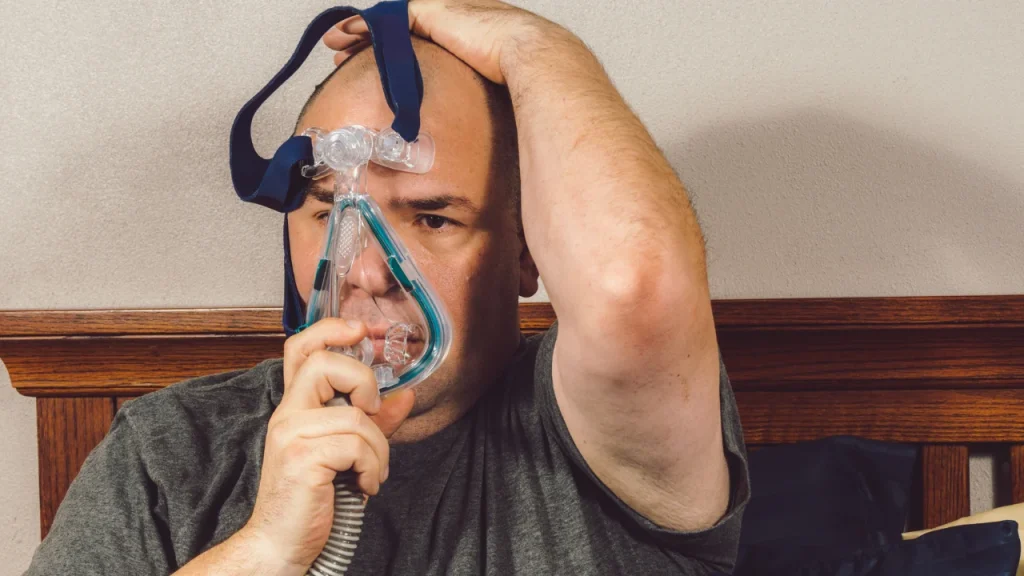
They should check size, strap tension, and sleeping position before giving up. Many leaks come from over-tightening, which can warp the cushion and create gaps at the cheeks.
They should also test the seal while lying in their usual sleep position, not just sitting upright. In best CPAP masks ranked by face shape discussions, the most common fix is simply changing cushion size or loosening the straps slightly.
What matters most for pregnancy and postpartum comfort?
Comfort and breathing ease matter most, because pregnancy can bring nasal congestion, reflux, and disrupted sleep. A mask that is easy to remove quickly and does not press hard on sensitive areas can help reduce night-time stress.
They should also prioritise cleanability, especially when fatigue is high. While this article focuses on the best CPAP masks ranked by face shape, life stage comfort factors can be just as important as facial structure.
When should they ask a clinician or sleep technician for help?
They should ask for help if leaks persist, skin breaks down, or therapy data shows poor control despite consistent use. They should also seek support if they suspect mouth breathing, significant congestion, or pressure intolerance.
A clinician or sleep technician can confirm sizing, adjust settings, and recommend alternatives. For anyone comparing best CPAP masks ranked by face shape, professional fitting can save weeks of trial and error.
What is the simplest way to choose from these 7 picks?
They should start by picking the mask category that matches both face shape and breathing habits. Nasal pillows and cradles suit many smaller or mid-sized faces, while full-face masks often suit wider faces or mouth breathing needs.
Then they should choose the model that best matches sleep position and sensitivity points. This approach keeps the best CPAP masks ranked by face shape process simple, practical, and easier to act on.
FAQs (Frequently Asked Questions)
Why is matching CPAP masks to face shape important?
Matching CPAP masks to face shape is crucial because seal quality significantly impacts comfort and therapy success. A mask that leaks or causes pressure points can undermine effective treatment, regardless of machine settings. Therefore, selecting a mask style that aligns with your facial structure ensures better sealing, comfort, and overall respiratory care.
Which CPAP mask styles are best suited for small or narrow faces?
For small or narrow faces, nasal pillow masks like the ResMed AirFit P10 are often ideal. These masks provide a lightweight frame and minimal facial contact, reducing pressure marks and rubbing. They seal at the nostrils, making them suitable for oval or heart-shaped faces seeking minimal facial interference during sleep.
What CPAP masks work well for round face shapes?
Nasal cradle masks such as the ResMed AirFit N30 are excellent for round faces. They feature cushions that sit under the nose, distributing pressure evenly and reducing irritation common with nasal pillows. This design also offers stability for active sleepers by not relying solely on nostril sealing.
Which CPAP masks are recommended for square or wider faces?
Full-face masks like the ResMed AirFit F20 are recommended for square or wider faces. Their larger cushions cover broader areas, providing a stable seal that’s effective for mouth breathers or those experiencing congestion. Proper sizing and strap adjustment are essential to avoid discomfort from over-tightening.
How do nasal pillow, nasal cradle, and full-face CPAP masks differ in suitability based on face shape?
Nasal pillow masks suit oval, heart, and smaller faces by sealing at the nostrils with minimal contact; nasal cradle masks fit round and oval faces by spreading pressure under the nose; full-face masks accommodate square or wider faces by covering more area for a stable seal. Choosing based on these patterns helps optimise comfort and therapy effectiveness.
What factors were considered when ranking the best CPAP masks by face shape?
Rankings were based on how consistently each mask style fits certain face shapes alongside practical comfort factors such as seal reliability, compatibility with side-sleeping positions, nasal bridge pressure relief, and ease of adjustment. The focus was on fit logic rather than price variability to assist users in narrowing down choices efficiently.