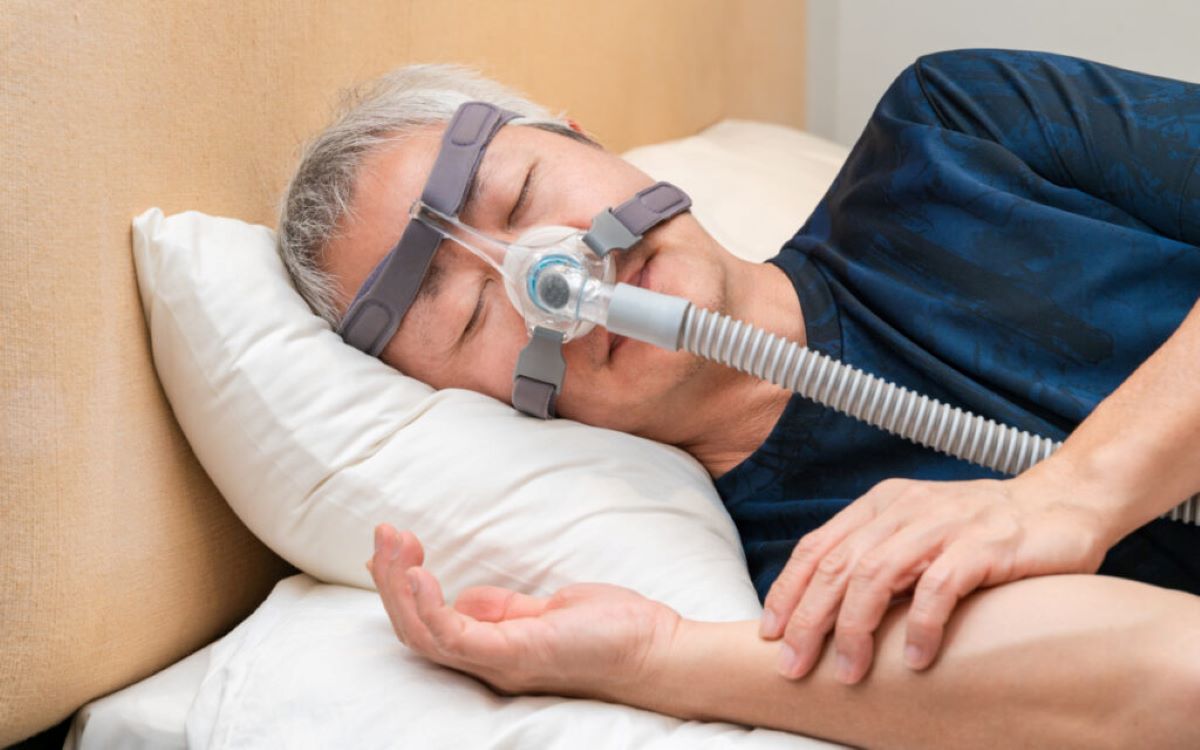
Finding the best CPAP mask for mouth breathers can be the difference between sticking with therapy and giving up. When someone breathes through their mouth during sleep, air leaks, dryness, and poor pressure delivery can quickly turn CPAP into a nightly struggle.
For families planning pregnancy, expectant mums, and anyone supporting long-term wellbeing, sleep quality matters. Better sleep can support mood, energy, and day-to-day resilience, which is especially important during big life stages.
Why does mouth breathing make CPAP therapy harder?
Mouth breathing often causes air to escape, which reduces the effective pressure that keeps the airway open. In the simplest terms, the machine may be working, but the therapy is not reaching the airway consistently.
It can also lead to dry mouth, sore throat, gum irritation, and waking repeatedly for water. These issues can undermine comfort and adherence, even when settings are correct.
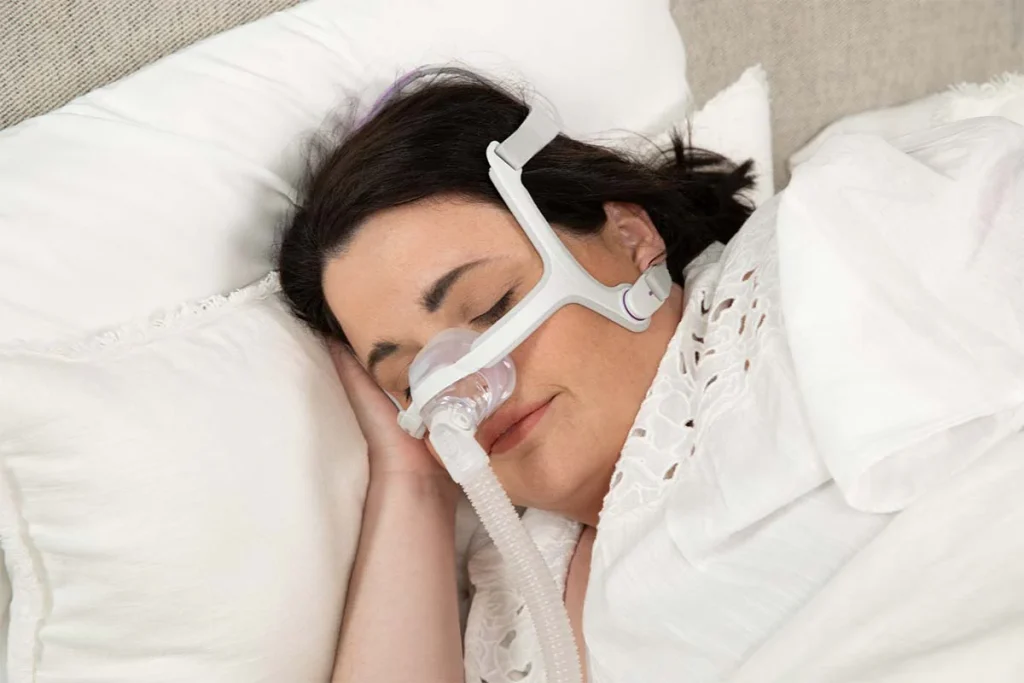
What is the best CPAP mask for mouth breathers in most cases?
For many people, the best CPAP mask for mouth breathers is a well-fitted full-face mask because it seals around both the nose and mouth. This design allows therapy to continue even if the jaw relaxes and the mouth opens overnight.
That said, some mouth breathers do well with nasal masks or nasal pillows when they pair them with a chin strap or address nasal blockage. Fit, facial shape, and sleep position matter as much as mask type.
Should they choose a full-face mask or a nasal mask with a chin strap?
If someone cannot reliably keep their mouth closed, a full-face mask is usually the more consistent option. It reduces the chance that leaks will disrupt pressure, which is why many clinicians suggest it first for habitual mouth breathing.
A nasal mask with a chin strap can work when mouth breathing is occasional or driven by congestion. However, if the chin strap feels restrictive or leaks continue, moving to the best CPAP mask for mouth breathers in a full-face style can be a simpler fix.
Which CPAP mask styles suit different mouth-breathing patterns?
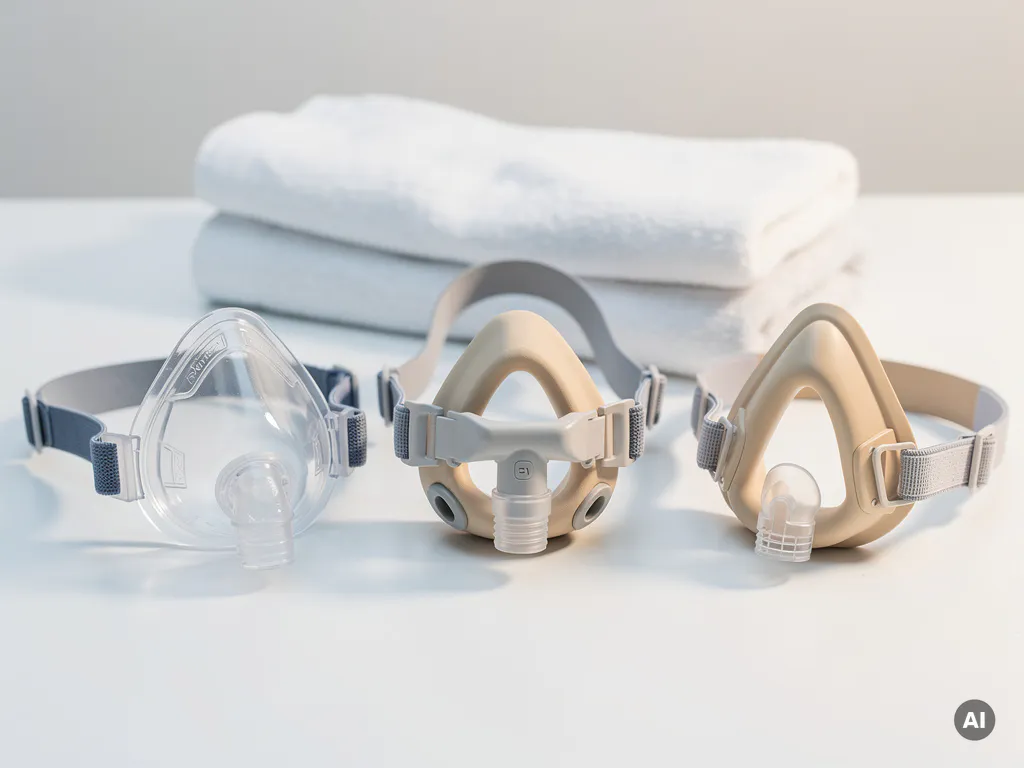
If they breathe through the mouth all night, a traditional full-face mask is often the most stable. These masks seal over the bridge of the nose and around the mouth, which can help maintain pressure at higher settings.
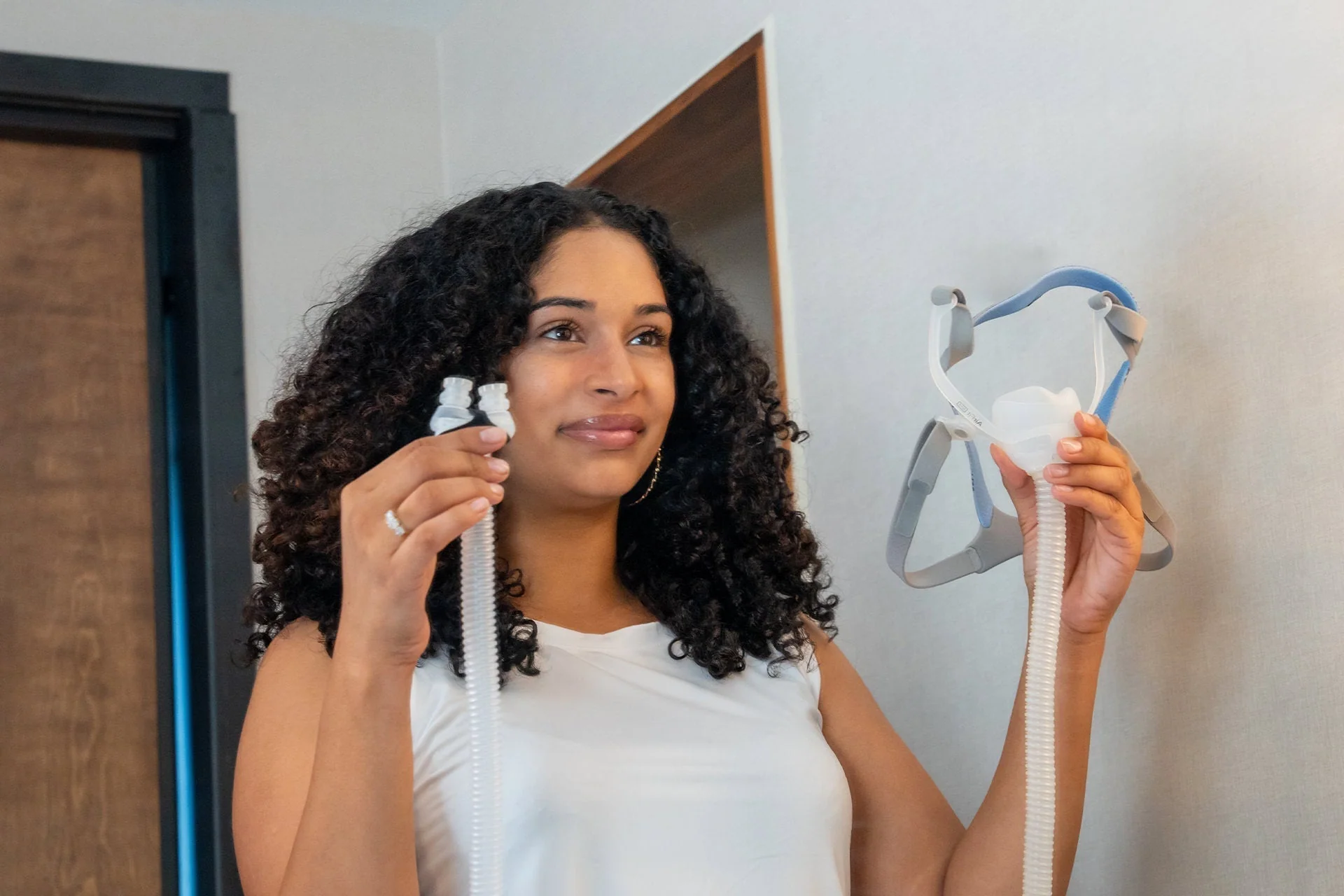
If they feel claustrophobic, a hybrid full-face mask may help. It seals around the mouth but uses nasal pillows or a smaller nasal cradle, reducing facial coverage while still addressing mouth breathing.
If mouth breathing only happens when they roll onto their back, a nasal mask plus positional strategies can be enough. In that scenario, the best CPAP mask for mouth breathers might still be nasal, provided leaks are controlled.
What features matter most when picking a CPAP mask for mouth breathers?
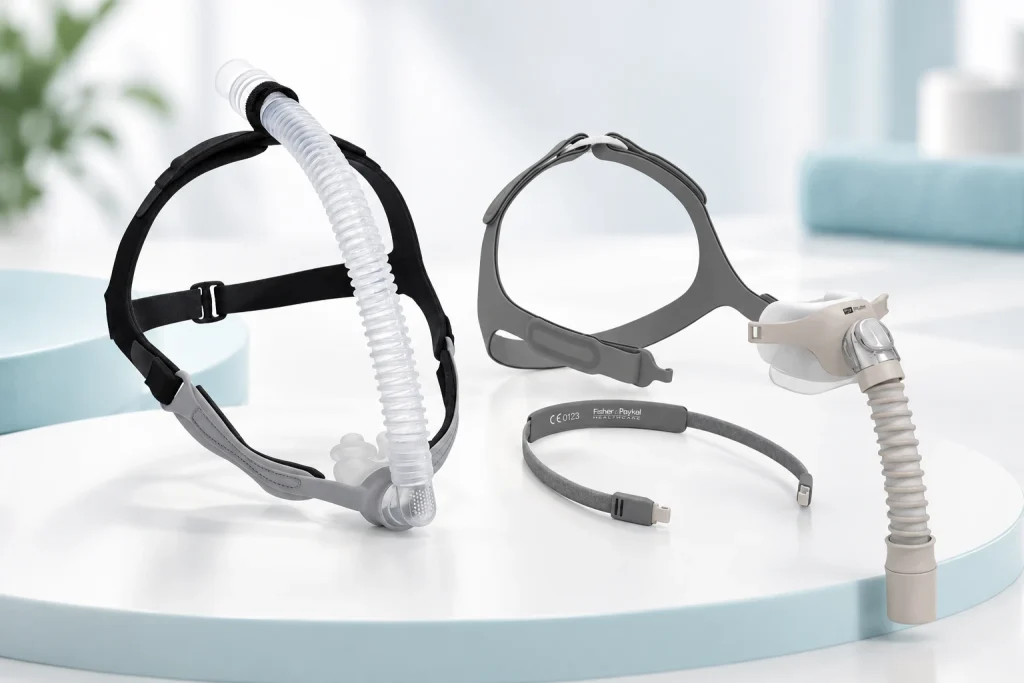
Leak control is the priority because mouth leaks can ruin therapy data and sleep quality. They should look for stable headgear, a cushion that matches their face shape, and a seal that remains secure when they move.
Comfort features also matter for long-term use. Softer cushions, minimal pressure points, quiet venting, and easy-to-clean parts can make a big difference to nightly routine and consistency.
Humidifier compatibility is important too. Mouth breathing increases dryness risk, so reliable heated humidification and a mask that tolerates higher humidity can improve comfort with the best CPAP mask for mouth breathers.
How can they tell if their current mask is failing because of mouth leaks?
The clearest signs include waking with a dry mouth, noticing air rushing out of the lips, or hearing loud leaking. Their bed partner may also report noise or draughts during the night.
Machine data can help. Many devices report leak rates, and consistently high leaks may indicate mouth breathing or a poor seal. If therapy feels ineffective despite correct settings, switching to the best CPAP mask for mouth breathers can be a practical next step.
What practical steps improve comfort for mouth breathers on CPAP?
They can start by optimising humidity, since dryness often triggers more mouth opening and discomfort. A heated humidifier and heated tubing can reduce sore throat and dry mouth.
Mask fitting should be done in their usual sleep position, with the machine running at treatment pressure. Over-tightening can worsen leaks by deforming the cushion, so a stable but gentle seal is usually best.
If nasal blockage contributes, addressing it can reduce mouth breathing. Saline rinses, allergen control, and clinician-approved treatments may help them breathe through the nose and potentially expand mask options beyond the best CPAP mask for mouth breathers in full-face designs.
How does sleep position affect mask choice for mouth breathers?
Back sleeping can worsen airway collapse and increase mouth opening for some people. Side sleeping may reduce both snoring and leak issues, though it can introduce mask displacement if the pillow pushes on the cushion.
A side-sleeper may do well with a low-profile full-face or hybrid design that sits more securely when the face contacts a pillow. For active sleepers, a flexible hose connection and stable headgear can help the best CPAP mask for mouth breathers stay sealed.
What should they consider during pregnancy or family planning?
Sleep-disordered breathing can change with weight shifts, congestion, and fluid retention, including during pregnancy. Comfort, gentle pressure on the face, and minimising awakenings become even more important when sleep is already disrupted.
They should involve their clinician, especially if symptoms change quickly. The best CPAP mask for mouth breathers is the one that stays comfortable night after night, supports consistent therapy, and does not create skin irritation that becomes harder to tolerate over time.
If nausea, reflux, or anxiety about mask bulk is present, a hybrid full-face mask may feel less overwhelming than larger full-face designs. The goal is steady, realistic adherence rather than a “perfect” setup that gets abandoned.
How can they prevent dry mouth and throat while using CPAP?
Dryness is often a humidity and leak problem rather than something they must accept. Increasing humidification, checking mask fit, and reducing mouth leaks usually helps.
Hydration and oral care can also matter. Sugar-free lozenges before bed, clinician-approved mouth moisturising gels, and regular dental checks can support comfort. Still, many find the biggest improvement comes from switching to the best CPAP mask for mouth breathers to reduce airflow escaping through the mouth.
When should they replace or refit their mask?
If leaks increase, the cushion feels stiff, or the seal only works when overly tightened, it may be time to replace parts. Oils from skin and routine wear can reduce cushion performance faster than they expect.
Weight changes, dental work, sinus issues, and pregnancy-related changes can alter facial fit. A refit can restore comfort and effectiveness, and may confirm whether the best CPAP mask for mouth breathers has changed for their current needs.
How can they choose the right option without wasting money?
They can start by confirming the main problem: mouth leaks, nasal congestion, pressure intolerance, or discomfort. Matching the mask type to the problem reduces trial and error.
It helps to use a supplier with a fit guarantee or exchange window. Trying a few sizes within the same model can also be more effective than switching models too quickly, because the best CPAP mask for mouth breathers often depends on sizing as much as design.
What is the key takeaway about the best CPAP mask for mouth breathers?
The best CPAP mask for mouth breathers is the one that prevents leaks, stays comfortable, and makes therapy easy to stick with. For many, that means starting with a well-fitted full-face or hybrid full-face mask, then fine-tuning humidity, fit, and sleep position for long-term success.
When sleep improves, daytime energy, mood, and overall wellbeing often improve too. That is why choosing the best CPAP mask for mouth breathers matters, not just for numbers on a machine, but for healthier living across every stage of life.
FAQs (Frequently Asked Questions)
Why does mouth breathing make CPAP therapy more challenging?
Mouth breathing during sleep often causes air to escape, reducing the effective pressure that keeps the airway open. This leads to poor pressure delivery, dry mouth, sore throat, gum irritation, and frequent awakenings for water, all of which can undermine comfort and adherence to CPAP therapy despite correct machine settings.
What is generally considered the best CPAP mask for mouth breathers?
For many mouth breathers, a well-fitted full-face mask is the best option as it seals around both the nose and mouth, allowing therapy to continue effectively even if the mouth opens during sleep. However, some may benefit from nasal masks or nasal pillows combined with a chin strap or treatments addressing nasal blockage.
Should a mouth breather choose a full-face mask or a nasal mask with a chin strap?
If someone cannot reliably keep their mouth closed throughout the night, a full-face mask is usually more consistent in preventing leaks and maintaining therapy effectiveness. Nasal masks with chin straps may work when mouth breathing is occasional or due to congestion but can feel restrictive or ineffective if leaks persist.
Which CPAP mask styles suit different patterns of mouth breathing?
For habitual mouth breathers who breathe through their mouths all night, traditional full-face masks offer stable sealing. Those feeling claustrophobic might prefer hybrid full-face masks that cover the mouth but use nasal pillows or smaller nasal cradles. If mouth breathing occurs only when sleeping on the back, nasal masks combined with positional strategies may suffice.
What key features should be considered when selecting a CPAP mask for mouth breathers?
Leak control is paramount; look for stable headgear, cushions matching facial shape, and seals that remain secure during movement. Comfort features like softer cushions, minimal pressure points, quiet venting, ease of cleaning, and humidifier compatibility are vital since heated humidification helps counteract dryness caused by mouth breathing.
How can one tell if their current CPAP mask is failing due to mouth leaks?
Signs include waking up with dry mouth, feeling air escaping from the lips, hearing loud leaking noises at night, and bed partner reports of noise or draughts. Machine data often shows high leak rates which suggest poor seal or mouth breathing. If therapy feels ineffective despite correct settings, switching to an appropriate mask designed for mouth breathers is advisable.