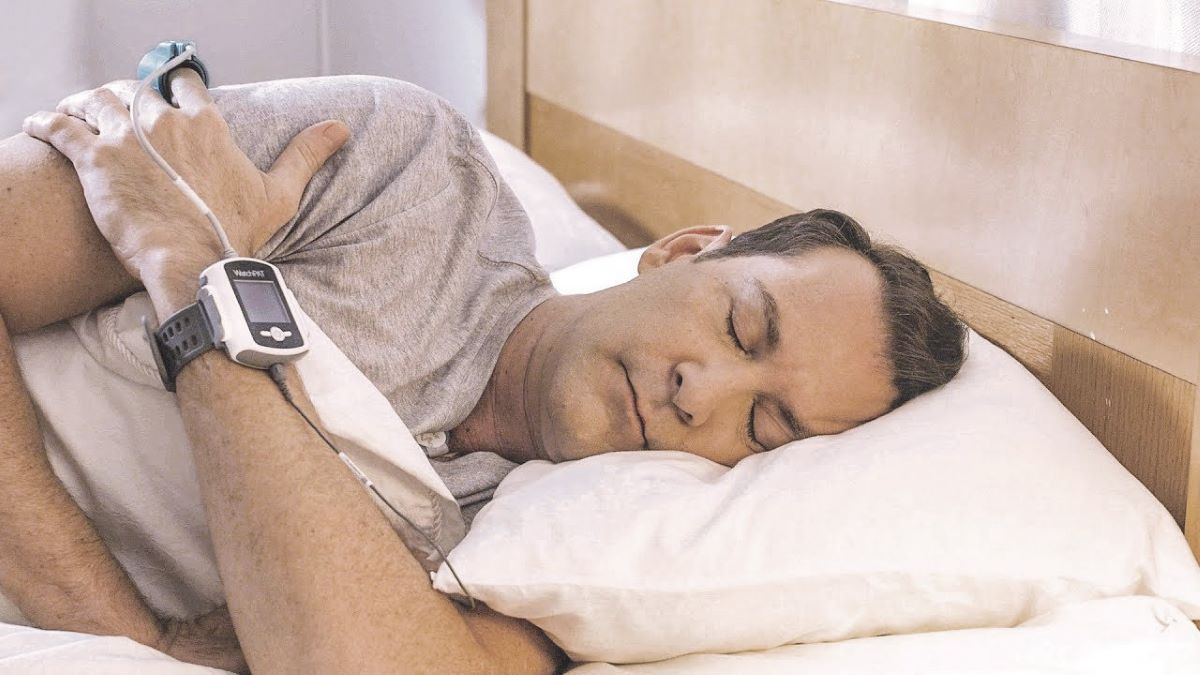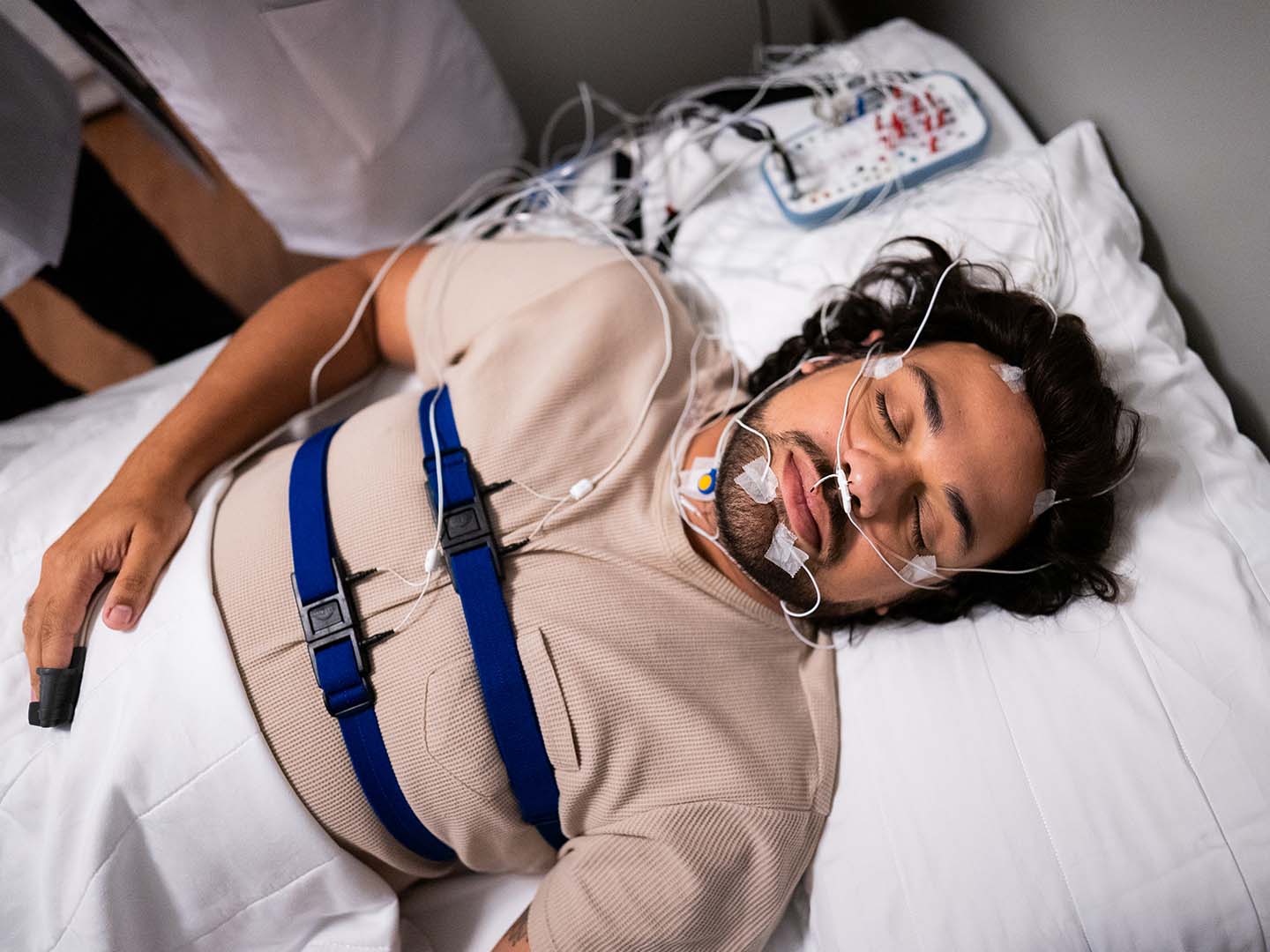
Many people start because of loud snoring, choking or gasping at night, morning headaches, or persistent daytime fatigue. A proper test matters because untreated sleep apnea can affect blood pressure, heart health, mood, and driving safety.
What is a sleep apnea test, and what does it measure?
A sleep apnea test checks breathing during sleep and counts how often airflow reduces or stops. It typically reports an AHI score (apnea-hypopnea index), which helps classify severity and guides treatment.
Depending on the test type, it may also track oxygen levels, heart rate, sleep stages, body position, and leg movement. People wanting a clearer understanding of how professional sleep assessments work can also visit https://sleepsolutionsaustralia.com/sleep-study-adelaide/ for information about sleep study services in Adelaide. The goal is to confirm whether events are obstructive, central, or mixed, and to quantify the impact.
What are the main sleep apnea test options in Adelaide?
In Adelaide, the two most common options are an overnight in-lab polysomnography (PSG) and a home sleep apnea test (HSAT). Both can diagnose obstructive sleep apnea, but they differ in depth, comfort, and suitability.
In-lab studies are the most comprehensive. Home tests are more convenient and often faster to access, especially for people with a high likelihood of uncomplicated obstructive sleep apnea.
When is an in-lab sleep study in Adelaide the best choice?
An in-lab sleep study is often best when symptoms are complex or the diagnosis is uncertain. It is also preferred when they may have other sleep disorders beyond sleep apnea.
Clinicians commonly recommend in-lab testing for people with significant heart or lung disease, suspected central sleep apnea, neuromuscular conditions, opioid use, or severe insomnia. It is also useful if a home test is negative but symptoms remain strong.
When is a home sleep apnea test in Adelaide the best choice?
A home sleep apnea test is often best when they have classic symptoms and a high pre-test probability of obstructive sleep apnea. It suits people who sleep better at home, want fewer sensors, or need a quicker, lower-cost route to diagnosis.
Home tests usually measure airflow, breathing effort, and oxygen saturation. They can be very effective for straightforward cases, but they typically do not capture full sleep staging, which can matter for some patients.
How do they choose between public and private testing in Adelaide?
Public pathways usually involve a GP referral to a public sleep clinic, then a wait for specialist review and testing. This can reduce out-of-pocket costs, but it may take longer.
Private pathways may offer faster appointments and faster testing, especially for home studies. The trade-off is often higher out-of-pocket costs, depending on rebates, provider fees, and whether they need specialist follow-up.
What does the sleep apnea test process usually look like in Adelaide?
They typically start with a GP visit to discuss symptoms, risk factors, and any relevant medical history. The GP may refer them to a sleep physician or directly to a sleep service, depending on the pathway.
After assessment, the provider organises either an in-lab study or a home test. Once results are available, a clinician explains the findings and discusses next steps, which may include CPAP, oral appliance therapy, weight management support, positional therapy, or further investigation.
What costs and rebates should they expect for sleep apnea testing in Adelaide?
Costs vary widely based on test type, provider, and whether they go public or private. In-lab studies are typically more expensive than home tests, and specialist consultations can add to total costs.
They should ask for a written quote before booking and confirm Medicare and private health fund rebates where applicable. It also helps to clarify what is included, such as device setup, scoring, clinical interpretation, and follow-up appointments. Learn more about where to find bulk bill sleep study services in Brisbane.
What questions should they ask a provider before booking a sleep apnea test?
They should ask which test is being recommended and why, and what the test can and cannot detect. It is also worth confirming who interprets the study and whether a sleep physician signs off on the report.
Other useful questions include expected timelines, total out-of-pocket cost, what happens if the test is inconclusive, and how treatment is arranged after diagnosis. If CPAP is discussed, they can ask whether there is a trial period and how mask fitting and support are handled.
What is the best option if they need results quickly?
If speed is the priority, private home sleep testing is often the fastest route, assuming they are suitable for HSAT. Many services can arrange pickup or delivery quickly, and results may be available soon after return.
If they have medical complexity, an in-lab study may still be the safer choice even if it takes longer. The quickest option is not always the best one if it risks missing an important diagnosis.
What is the best option if they are worried about accuracy?
In-lab polysomnography is generally considered the most comprehensive option because it measures more signals and can identify a wider range of sleep disorders. It is often the best choice when they want the most detailed assessment.
Home tests can still be accurate for uncomplicated obstructive sleep apnea, but they can underestimate severity in some cases. If results do not match symptoms, they should ask whether an in-lab study is the next step.
What should they do after a sleep apnea diagnosis in Adelaide?
They should book a follow-up to discuss severity, risks, and treatment options that match their lifestyle and health needs. Many people start with CPAP for moderate to severe obstructive sleep apnea, while others may be suited to an oral appliance or targeted lifestyle changes.
They should also ask about ongoing support, since treatment success often depends on comfort, education, and follow-up. If they drive for work or feel sleepy at the wheel, they should raise this urgently with their clinician.
Other Resources : Sleep and children’s health