

What Is Sleep Apnea and Why Should You Get Tested for It?
Sleep apnea is a serious sleep disorder where breathing repeatedly stops and starts throughout the night. These breathing interruptions, called apneas, can occur dozens or even hundreds of times per night, disrupting your sleep quality and depriving your body of essential oxygen.
Obstructive sleep apnea (OSA) is the most common form, affecting approximately 5% of the Australian population. It occurs when the muscles in your throat relax excessively during sleep, causing your airway to narrow or close completely. This blockage prevents air from reaching your lungs, triggering brief awakenings as your body struggles to breathe.
Central sleep apnea, a less common variant, happens when your brain fails to send proper signals to the muscles controlling breathing. Mixed sleep apnea combines elements of both types.
What Does a Sleep Apnea Test Involve?
A Sleep Apnea Test Australia measures your breathing patterns, oxygen levels, and other vital signs while you sleep. The test records data including:
- Number of breathing pauses per hour
- Blood oxygen saturation levels
- Heart rate variations
- Body position during sleep
- Snoring intensity and frequency
The Sleep Apnea Test Australia definition encompasses both home-based studies using portable monitoring devices and comprehensive in-laboratory polysomnography. These diagnostic tools provide specialists with the information needed to confirm an obstructive sleep apnea diagnosis and determine its severity.
Why Is Testing Critical for Your Health?
Untreated sleep apnea creates a cascade of health complications that extend far beyond poor sleep quality. The condition forces your cardiovascular system to work harder throughout the night, leading to serious long-term consequences.
Cardiovascular risks include:
- High blood pressure (hypertension)
- Increased risk of heart attack
- Irregular heartbeat (arrhythmias)
- Stroke
- Heart failure
The repeated oxygen deprivation also affects your metabolic health. People with untreated sleep apnea face higher risks of type 2 diabetes, weight gain, and metabolic syndrome. The constant sleep disruption impairs your body’s ability to regulate blood sugar and process insulin effectively.
Cognitive and daily functioning impacts
How Is Sleep Apnea Diagnosed in Australia?
Sleep apnea diagnosis in Australia requires confirmation through specialist services or authorized clinics using accepted diagnostic methods. General practitioners typically provide initial referrals, but the actual diagnosis must come from qualified sleep specialists who follow established clinical guidelines.
Who Conducts Sleep Apnea Diagnosis?
Specialist services play a central role in confirming sleep apnea. These include sleep physicians, respiratory specialists, and accredited sleep clinics equipped with proper diagnostic tools. The Australian healthcare system mandates that diagnosis occurs through these authorized channels to ensure accuracy and appropriate treatment planning. Patients cannot self-diagnose or rely solely on symptom assessment—formal testing through qualified providers remains essential.
What Diagnostic Methods Are Available?
Two primary diagnostic methods dominate sleep apnea testing in Australia:
1. Home Sleep Studies (Level 3 Sleep Tests)
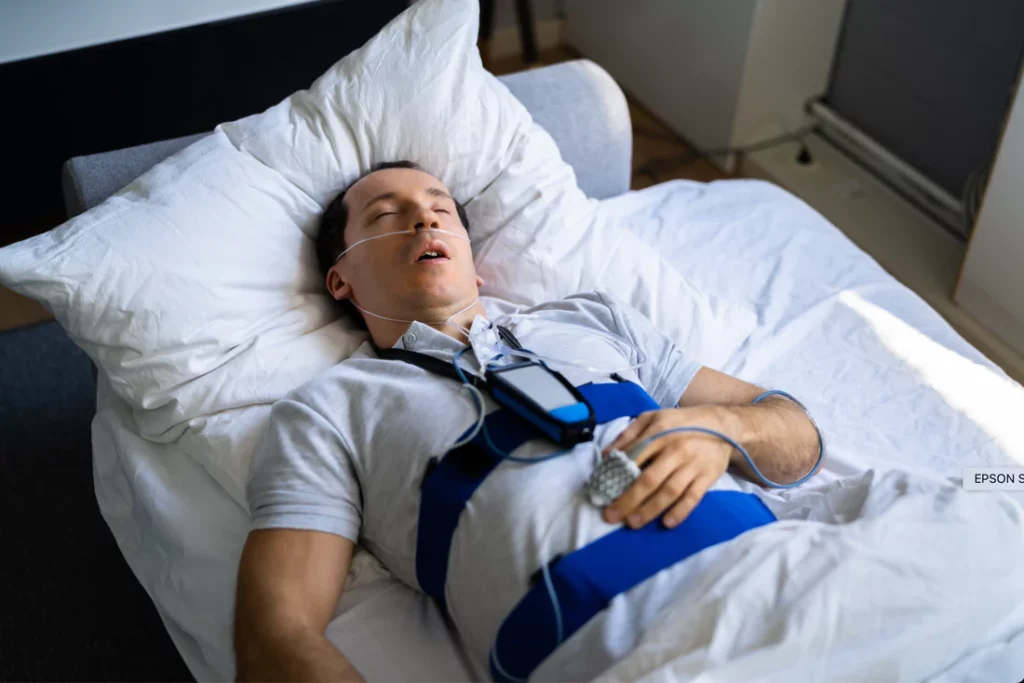
- Portable monitoring devices worn at home during sleep
- Measure oxygen levels, breathing patterns, heart rate, and body position
- Suitable for patients with high pre-test probability of moderate to severe OSA
- More convenient and cost-effective than laboratory testing
- Limited channels compared to full polysomnography
2. In-Lab Polysomnography (Level 1 Sleep Studies)
- Comprehensive overnight testing in a sleep clinic
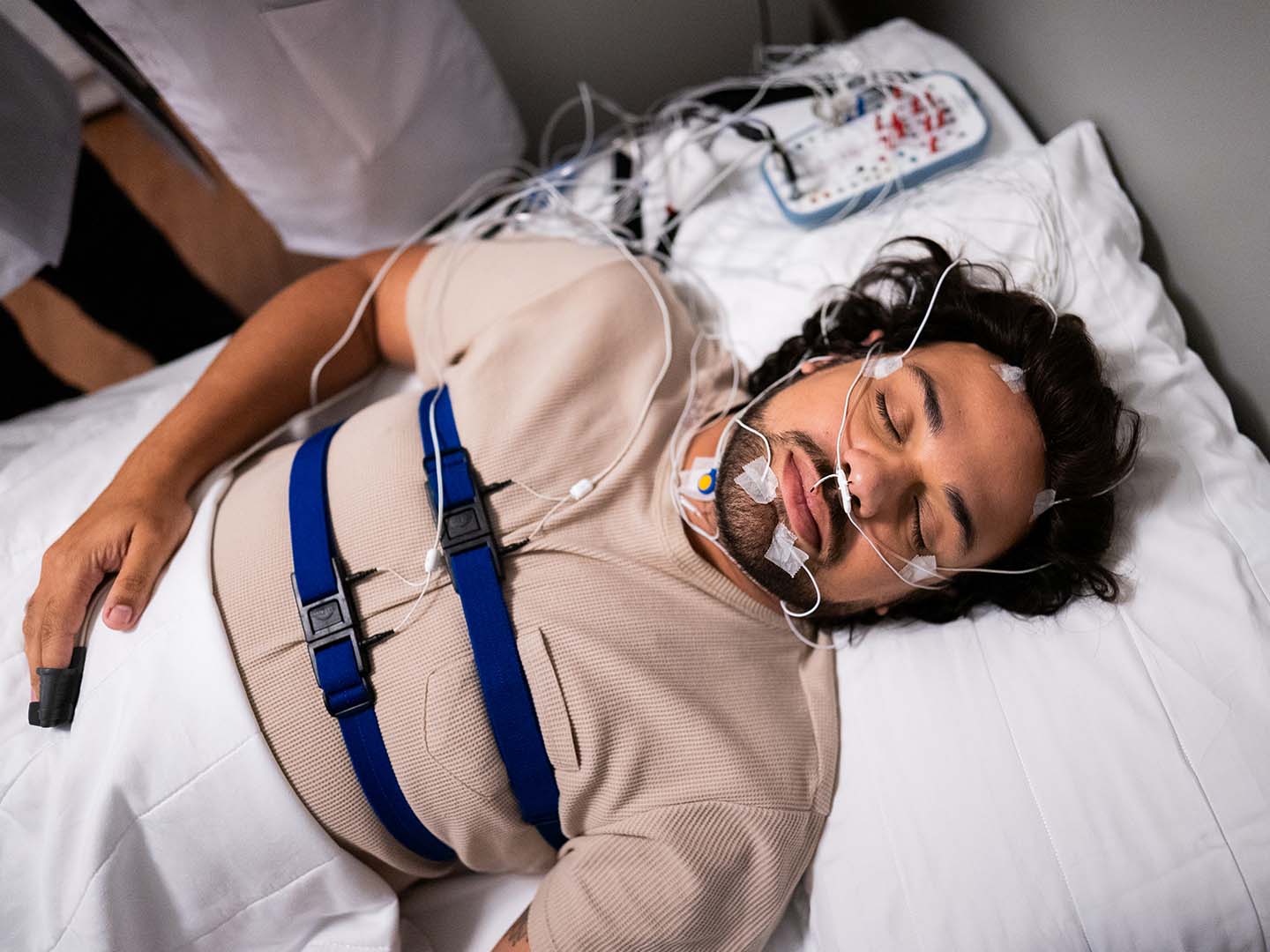
- Monitors brain waves, eye movements, muscle activity, heart rhythm, breathing, and oxygen levels
- Attended by trained sleep technologists throughout the night
- Required for complex cases or when home studies prove inconclusive
- Provides the most detailed diagnostic information
What Standards Guide Australian Sleep Testing?
Australian sleep services follow guidelines established by the Australasian Sleep Association and the Sleep Health Foundation. These standards ensure consistent diagnostic quality across providers. Testing equipment must meet specific technical specifications, and interpreting physicians require appropriate qualifications in sleep medicine.
The diagnostic process adheres to the International Classification of Sleep Disorders criteria. Results are scored according to standardized metrics, particularly the Apnea-Hypopnea Index (AHI), which quantifies the severity of sleep-disordered breathing events per hour of sleep.
How Do Specialists Determine Which Test You Need?
Your sleep specialist considers several factors when recommending a diagnostic method. Patients with suspected uncomplicated OSA may be candidates for home sleep studies based on their medical history and symptoms. However, individuals with comorbidities or those requiring titration for positive airway pressure therapy might necessitate in-lab polysomnography for comprehensive evaluation.
Ultimately, the decision rests upon clinical judgment guided by established protocols while factoring patient preferences and logistical considerations into account.
What Are the Typical Costs Involved in a Sleep Apnea Test in Australia?
Sleep apnea test costs Australia vary significantly based on the diagnostic method chosen and the provider you select. Home sleep studies typically range from $200 to $500, while comprehensive in-lab polysomnography can cost between $800 and $2,000 at private facilities.
Factors That Influence Testing Price Range
The type of testing directly impacts your out-of-pocket expenses. Home-based studies use portable monitoring devices that track breathing patterns, oxygen levels, and heart rate during sleep, making them more affordable. In-lab polysomnography involves overnight stays in specialized sleep centers with continuous monitoring by trained technicians, which explains the higher price point.
Provider differences create substantial cost variations. Private sleep clinics may charge premium rates but often offer shorter wait times and more flexible scheduling. Public hospital sleep units generally cost less but may have longer waiting lists. Equipment needs also affect pricing—some providers include device rental in their fees, while others charge separately.
Healthcare Coverage for Sleep Apnea Testing
Medicare provides rebates for sleep studies when referred by a specialist or general practitioner, potentially covering a significant portion of diagnostic costs. The rebate amount depends on whether you undergo testing in a hospital setting or through an accredited private provider. Private health insurance policies with appropriate extras or hospital cover may offer additional rebates, though coverage levels vary between insurers and policy types.
Confirming costs before proceeding protects you from unexpected expenses. Request detailed quotes that itemize all charges, including consultation fees, testing equipment, analysis, and follow-up appointments. Ask your provider about:
- Bulk billing availability
- Medicare rebate eligibility
- Private insurance claim processes
- Payment plan options
- Additional fees for equipment or supplies
Contact your insurer directly to verify your specific coverage and any waiting periods that might apply to sleep disorder diagnostics.
What Can Patients Expect During the Sleep Apnea Testing Process?
The sleep apnea testing process begins with an initial consultation where a sleep specialist reviews your symptoms, medical history, and sleep patterns to determine the most appropriate diagnostic approach. This first appointment typically lasts 30-45 minutes and establishes whether you’re a candidate for home-based testing or require in-lab assessment.
How Does the Initial Assessment Work?
Your specialist will ask about daytime fatigue, witnessed breathing pauses during sleep, morning headaches, and other OSA indicators. They’ll evaluate your risk factors including BMI, neck circumference, and existing health conditions. Based on this assessment, they’ll recommend either a home sleep study for straightforward cases or polysomnography for complex presentations requiring comprehensive monitoring.
What Happens with Home Sleep Testing?
Home sleep studies involve collecting a testing device from the clinic or having it delivered to your residence. A trained staff member demonstrates how to attach sensors that monitor breathing patterns, oxygen levels, heart rate, and body position. You’ll wear the equipment for one to three nights in your own bed, following your normal sleep routine. The device automatically records data throughout the night without requiring technical intervention.
What’s Different About In-Lab Testing?
In-lab polysomnography requires spending a night at a sleep clinic where technicians attach multiple sensors to your scalp, face, chest, and legs. These sensors track brain waves, eye movements, muscle activity, breathing effort, airflow, and oxygen saturation. A technician monitors your sleep in real-time from an adjacent room, ensuring proper data collection throughout the 7-8 hour session. The clinical environment provides controlled conditions and immediate technical support if equipment issues arise.
When Will You Receive Your Results?
Test results typically become available within 7-14 days after data collection. A sleep physician analyzes the recordings to calculate your Apnea-Hypopnea Index (AHI), which measures breathing disruptions per hour. Your follow-up appointment includes a detailed discussion of findings, severity classification (mild, moderate, or severe), and recommended treatment options. The specialist explains how your specific breathing patterns affect sleep quality and overall health, then collaborates with you to develop an appropriate management plan tailored to your diagnosis and lifestyle needs.
How Is CPAP Therapy Provided and Managed After Diagnosis?
What makes CPAP the primary treatment option?
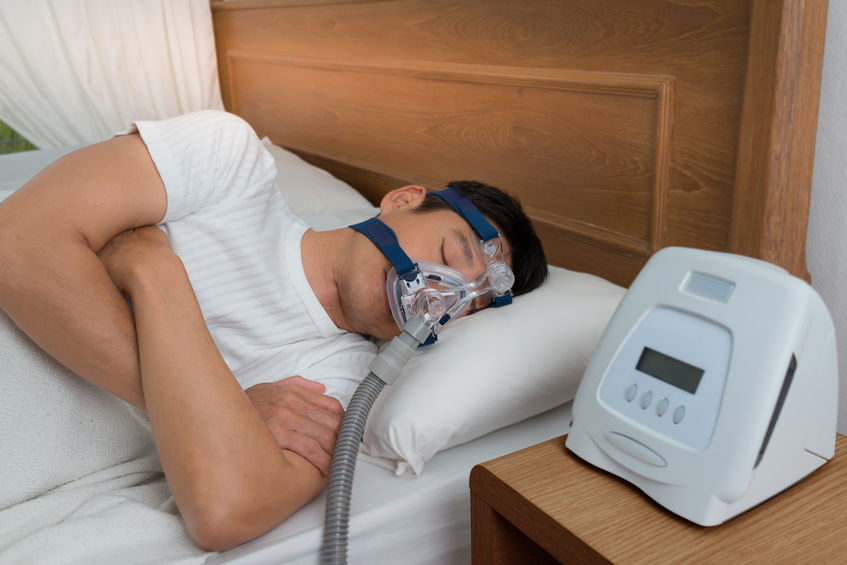
CPAP therapy stands as the first-line treatment for moderate to severe obstructive sleep apnea in Australia. This therapy works by delivering continuous pressurized air through a mask, keeping airways open during sleep. When used consistently, CPAP demonstrates high effectiveness in eliminating apnea episodes and improving sleep quality.
What standards must CPAP providers meet?
The CPAP therapy provision Australia landscape requires providers to maintain specific organizational commitments. Authorized providers must employ trained staff who understand both the technical and clinical aspects of therapy. These facilities need to stock a comprehensive range of equipment options, allowing personalized selection based on individual patient needs and preferences.
Why does patient education matter at the start?
The therapy initiation phase determines long-term success rates. Patients receive detailed information about their condition, how CPAP works, and what to expect during the adjustment period. This education builds confidence and addresses common concerns before they become barriers to adherence. Providers demonstrate proper mask fitting, equipment maintenance, and troubleshooting techniques during initial sessions.
How does ongoing support work?
The CPAP treatment process extends well beyond the initial setup. Follow-up appointments track device usage data, assess treatment effectiveness, and identify any challenges patients face. Providers monitor adherence patterns, adjust pressure settings when needed, and replace worn components. This continuous care model ensures patients receive support throughout their treatment journey.
Who coordinates the care team?
Effective sleep apnea management involves collaborative communication between multiple parties. Sleep physicians provide clinical oversight and treatment adjustments. Sleep clinics conduct assessments and coordinate care pathways. CPAP equipment providers handle technical support and supply management. Patients report their experiences and concerns to all team members. This integrated approach ensures comprehensive ongoing CPAP support addressing both medical and practical aspects of treatment. Check out why early assessment is essential for better long-term health.
What Support Is Available to Help Patients Adhere to Treatment?
Patient support OSA treatment
Patient support for OSA (Obstructive Sleep Apnea) treatment begins with comprehensive education about the condition and how CPAP (Continuous Positive Airway Pressure) therapy works. Understanding the health risks of untreated sleep apnea and the benefits of consistent CPAP use helps patients commit to their treatment plan. Healthcare providers should explain how the therapy improves sleep quality, reduces daytime fatigue, and lowers cardiovascular risks.
Psychological factors in adherence
Psychological factors play a critical role in adherence, particularly during the initial adjustment period. The first two weeks of CPAP use often determine long-term success rates. Patients may experience anxiety about wearing a mask, claustrophobia, or frustration with equipment adjustments. Early intervention through counseling, troubleshooting sessions, and reassurance helps overcome these barriers before they become reasons for abandonment.
Involving your bed partner
Involving your bed partner creates a support system that improves treatment acceptance. Partners who understand the therapy’s importance can provide encouragement during difficult nights and notice improvements in snoring and breathing patterns. This shared experience strengthens commitment to the treatment.
CPAP adherence strategies
CPAP adherence strategies extend beyond equipment use. Healthcare providers recommend lifestyle modifications that enhance treatment effectiveness:
- Avoiding alcohol consumption before bedtime, which relaxes throat muscles and worsens apnea
- Eliminating smoking, as it increases airway inflammation
- Reducing sedative use that can interfere with breathing patterns
- Maintaining a healthy weight to decrease apnea severity
These combined approaches create a comprehensive support framework that addresses both technical and behavioral aspects of treatment success.
What Equipment Options Should Patients Know About?
CPAP equipment options in Australia include several device types and accessories designed to match individual patient needs and comfort levels. Providers should offer a comprehensive range of equipment rather than limiting choices to single brands or models.
What mask types are available?
Patients can choose from three main mask types: nasal masks that cover only the nose, nasal pillow masks with small inserts that sit at the nostrils, and full-face masks covering both nose and mouth. The right mask depends on breathing patterns, facial structure, and personal comfort preferences. Some patients who breathe through their mouth during sleep may require full-face options, while others find nasal pillows less intrusive.
Does heated humidification make a difference?
One significant aspect of CPAP therapy is heated humidification, which offers benefits such as reduced nasal dryness, congestion, and throat irritation that can discourage regular CPAP use. This feature adds moisture to the pressurized air, making therapy more comfortable, particularly in dry climates or air-conditioned environments.
Should you choose auto-CPAP or fixed-pressure devices?
Auto-CPAP devices automatically adjust pressure throughout the night based on breathing patterns, while fixed-pressure machines deliver constant pressure. Auto-CPAP isn’t universally superior and may be contraindicated for patients with certain heart conditions, chronic respiratory diseases, or central sleep apnea. Your sleep specialist will determine which device suits your specific diagnosis and medical history, ensuring personalized equipment selection that optimizes treatment outcomes.
How Are Ethical and Quality Considerations Addressed by Providers?
Do Australian sleep apnea providers follow ethical standards?
Reputable providers maintain clear separation between diagnostic services and equipment sales to prevent conflicts of interest. This separation ensures that treatment recommendations are based purely on patient needs rather than commercial incentives.
What distinguishes quality CPAP provision from simple device sales?
Ethical providers view CPAP therapy as an ongoing service relationship rather than a one-time transaction. This approach includes:
- Comprehensive patient education programs
- Regular follow-up appointments to assess treatment progress
- Troubleshooting support for equipment issues
- Mask refitting services as needed
- Access to trained staff who can answer questions
How do providers measure treatment success?
Quality assurance sleep apnea treatment Australia involves systematic monitoring of patient outcomes. Providers track adherence rates through device data downloads, measuring how many hours per night patients use their CPAP machines. They also evaluate treatment effectiveness by reviewing residual apnea-hypopnea index scores and patient-reported symptom improvements.
What accountability measures exist?
Established clinics implement regular audits of their adherence rates and patient satisfaction scores. They maintain detailed records of patient progress and adjust treatment protocols based on outcome data. This commitment to ethical considerations CPAP provision ensures patients receive evidence-based care that prioritizes their health outcomes above commercial interests.
Where Are Sleep Apnea Tests Conducted in Australia?
Can you get tested at home or do you need to visit a clinic? Sleep apnea testing locations Australia offer both options, with most patients choosing between home-based studies and clinic-based assessments. The right choice depends on your medical complexity and the type of testing your specialist recommends.
What makes private clinical settings suitable for testing? Authorized sleep clinics provide private consultation rooms designed for professional medical discussions. These facilities maintain confidentiality while offering access to specialized equipment and trained staff who can answer questions during your visit. Clinics typically handle more complex cases requiring comprehensive polysomnography.
How do home testing options compare? Home sleep studies have become increasingly popular for straightforward obstructive sleep apnea cases. You collect a testing device from a clinic or receive it by mail, wear it overnight in your own bed, then return it for analysis. This option costs less and feels more comfortable for many patients.
Why might you still need clinic access with home testing? Even when choosing home-based testing, access to physical facilities remains important. You may need face-to-face equipment setup instructions, mask fitting for CPAP therapy, or follow-up appointments to discuss results. The combination of home convenience with clinic support creates the most effective testing experience for Australian patients seeking diagnosis and treatment.