

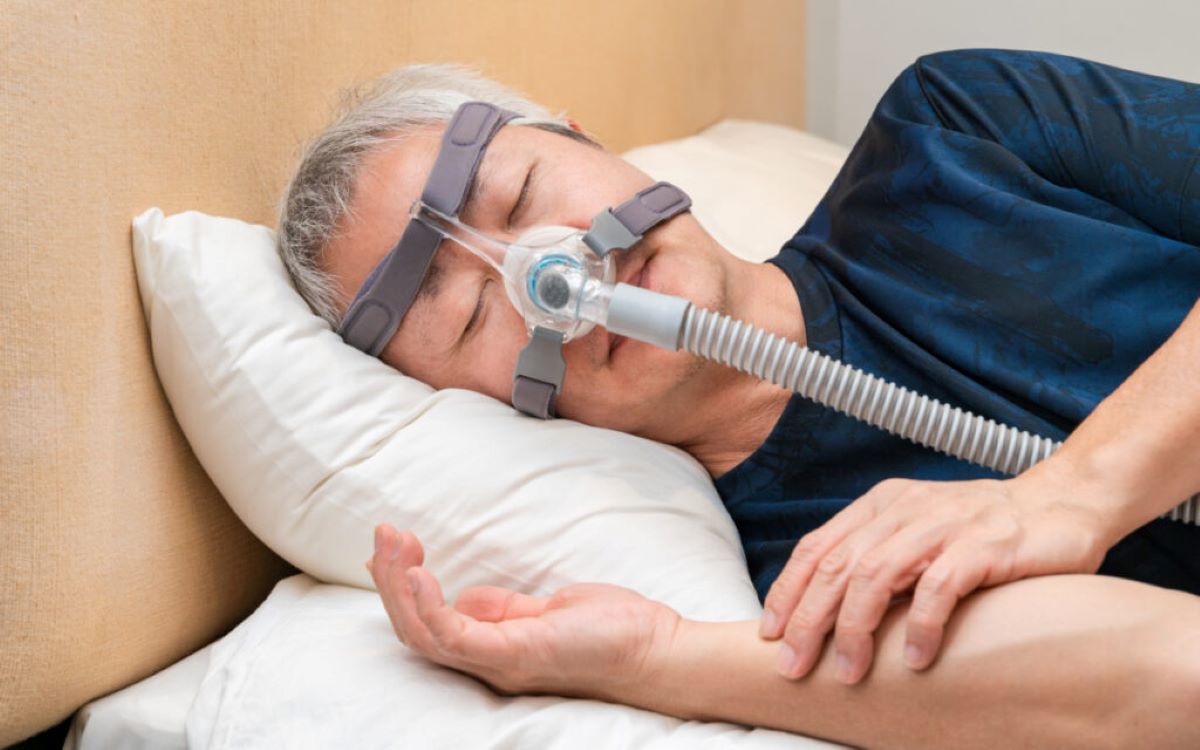
Below are five widely used CPAP mask styles people in Australia often consider when comfort and consistent use matter most.
What should they look for in a CPAP mask for comfort and compliance?
They should prioritise seal stability, low leak at their prescribed pressure, and a headgear feel they can tolerate all night. If the mask hurts, whistles, or leaves marks, many people simply stop using it — which is why choosing the right option from a specialist provider like CPAP masks Australia can make a real difference.
They can narrow options fast by checking three things: their breathing route (nose vs mouth), their sleep position (side vs back), and whether they wake with dry mouth or leaks.
Which CPAP masks are best for side sleepers in Australia?
Side sleepers usually do best with minimal-contact nasal pillows or compact nasal masks because there is less frame bulk to push against the pillow. A stable top-of-head hose connection can also reduce tugging when they roll.
Here are the top picks many side sleepers shortlist:
1) ResMed AirFit P10 (nasal pillows)
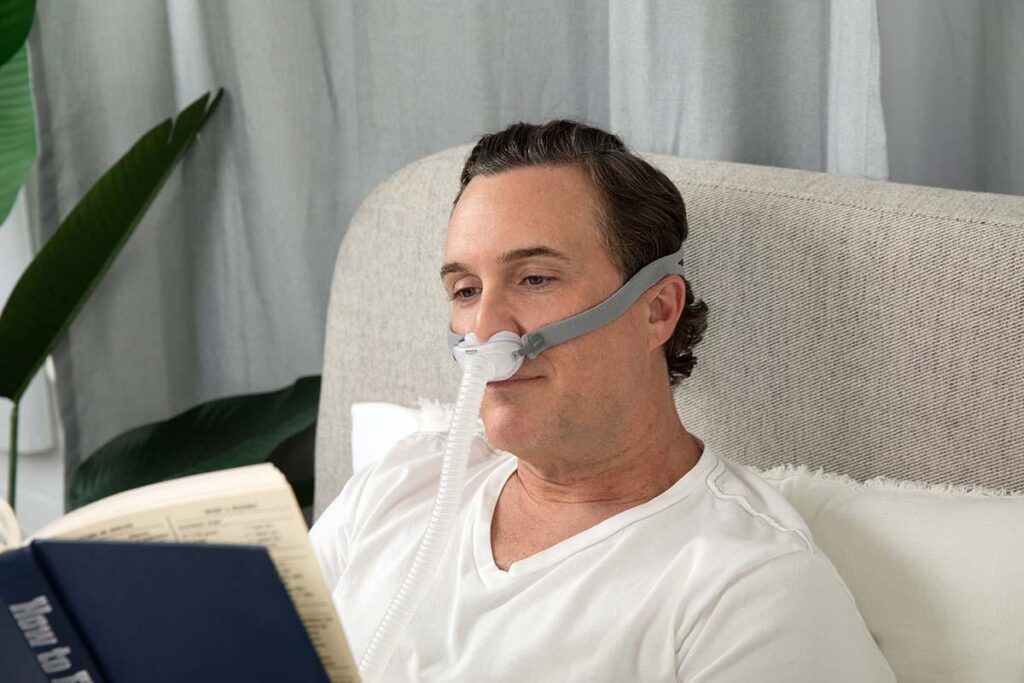
They often choose the AirFit P10 when they want a light mask that “disappears” on the face. It is quiet, minimal, and popular for people who dislike heavy headgear.
It tends to work best for consistent nasal breathers. If they have frequent congestion or mouth leaks, they may need a chin strap or a different style.
2) ResMed AirFit N30i (nasal cradle)
They typically consider the N30i when they like a nasal cushion but want less pressure on the nostrils than pillows. The hose connection sits on the top of the head, which many people find easier for turning in bed.
It suits people who want a more open, front-of-face feel. If their pillow pushes the cushion sideways, they may need sizing adjustments.
Which full-face CPAP masks help people who breathe through their mouth?
If they mouth-breathe, have chronic nasal blockage, or wake with a very dry mouth, a full-face mask can make therapy more reliable. A good full-face option should seal without needing overly tight straps.
These are common comfort-first choices:
3) ResMed AirFit F20 (full face)
They often pick the AirFit F20 when they want a secure seal that holds up at higher pressures. It is a classic full-face design that suits many face shapes with the right cushion size.
It can feel bulkier than minimal masks, but its stability is a key reason people stay compliant when leaks are otherwise a problem.
4) ResMed AirFit F30 (minimal-contact full face)
They may prefer the AirFit F30 if they want full-face coverage without a high bridge-of-nose seal. The cushion sits under the nose, which can reduce nasal-bridge soreness for some users.
It can be a strong option for people who disliked traditional full-face masks. Fit matters a lot, so sizing and strap tension should be dialled in carefully. You may like to visit https://www.healthdirect.gov.au/blocked-nose to get more about nasal congestion.
Which CPAP mask is best for people who feel claustrophobic?
Claustrophobia is one of the biggest reasons people struggle early on, so a small footprint helps. Many people do better with nasal pillows or nasal cradles because the face feels more open.
A popular “open” option is:
5) Philips Respironics DreamWear (under-the-nose family)
They often choose DreamWear when they want an under-the-nose cushion and a frame that keeps the front of the face clear. The design is aimed at reducing the “mask-on-face” sensation that can trigger anxiety.
Because fit depends on frame size and cushion type, they usually do best when they can trial and swap sizes rather than guess.
How can they choose the right size and avoid leaks?
They should use the manufacturer’s sizing guide and treat it as mandatory, not optional. Most leak issues come from the wrong cushion size or from overtightening straps, which can warp the seal.
They can also improve results by adjusting their mask while lying down with the machine running, since facial shape changes when they recline.
What small comfort upgrades can improve nightly compliance?
They can often boost comfort without changing masks by adding a soft mask liner, trying a different pillow height, or using a heated humidifier to reduce dryness. If they have facial hair, they may need a different cushion style to maintain a seal.
If discomfort persists after a week of consistent tweaks, many people do best by switching mask category rather than forcing a poor match.
What is the simplest way to pick from these five masks?
They should start with breathing route and sleep position. If they breathe through the nose and sleep on their side, they often start with AirFit P10 or N30i. If they mouth-breathe or have blocked nasal breathing, they usually start with F20 or F30.
If claustrophobia is the main barrier, they often start with DreamWear. The goal is not perfection on night one, but a mask they will actually keep on all night, most nights.
More to Read : CPAP Machine: How It Improves Sleep Apnea Treatment Outcomes
FAQs (Frequently Asked Questions)
What factors should I consider to choose a comfortable CPAP mask that ensures compliance?
Prioritise seal stability, low leak at your prescribed pressure, and headgear comfort for all-night wear. Avoid masks that hurt, whistle, or leave marks, as these issues often lead to discontinued use. Narrow your options by assessing your breathing route (nose vs mouth), sleep position (side vs back), and whether you experience dry mouth or leaks.
Which CPAP masks are best suited for side sleepers in Australia?
Side sleepers benefit from minimal-contact nasal pillows or compact nasal masks with a stable top-of-head hose connection to reduce tugging when rolling. Top picks include ResMed AirFit P10 for lightweight, quiet nasal pillow use and ResMed AirFit N30i for a nasal cradle option with less nostril pressure and a front-of-face feel.
What full-face CPAP masks are recommended for mouth breathers or those with nasal blockages?
Full-face masks like the ResMed AirFit F20 provide a secure seal suitable for higher pressures and various face shapes, helping prevent leaks. The ResMed AirFit F30 offers minimal-contact coverage with an under-the-nose cushion to reduce nasal-bridge soreness, ideal for users who dislike traditional full-face masks.
Which CPAP mask is ideal for individuals experiencing claustrophobia?
Masks with a small footprint such as the Philips Respironics DreamWear are recommended. This under-the-nose design keeps the front of the face clear, reducing the ‘mask-on-face’ sensation that can trigger anxiety. Proper sizing and cushion type trials are essential to ensure optimal fit and comfort.
How can I select the right CPAP mask size and minimize leaks?
Use the manufacturer’s sizing guide as mandatory to choose the correct cushion size. Most leaks result from incorrect sizing or overtightening straps that distort the seal. Adjust your mask while lying down with the machine running since facial shape changes when reclined, improving fit accuracy.
What small comfort upgrades can enhance nightly CPAP therapy compliance?
Consider adding soft mask liners, trying different pillow heights, or using heated humidifiers to reduce dryness. Facial hair may require alternative cushion styles to maintain a proper seal. If discomfort persists after consistent adjustments over a week, switching mask categories rather than forcing an ill-fitting mask is advisable.