One of the most common—and most reasonable—questions people ask when considering laser eye surgery is:
“How long will the results actually last?”
Laser eye surgery is often described as a permanent solution, but the reality is more nuanced. The corneal changes created by LASIK, PRK, or SMILE are permanent, yet the eyes themselves continue to age. Understanding the difference between permanent correction and natural vision changes is essential for setting realistic expectations.
This comprehensive guide explains how long laser eye surgery lasts, what long-term studies show, why some people may need enhancements, and how ageing affects vision over time. It’s written for Australians considering laser eye surgery and looking for clear, honest, expert-backed information.
Quick Answer: How Long Does Laser Eye Surgery Last?
For most suitable patients, the vision correction achieved by laser eye surgery lasts for many years—often decades. The reshaping of the cornea is permanent. However, age-related vision changes, such as presbyopia, can still occur later in life.
In short:
- The surgical correction is permanent
- The eyes continue to age naturally
- Some patients may need reading glasses or enhancements over time
What Is Laser Eye Surgery and How Does It Work?
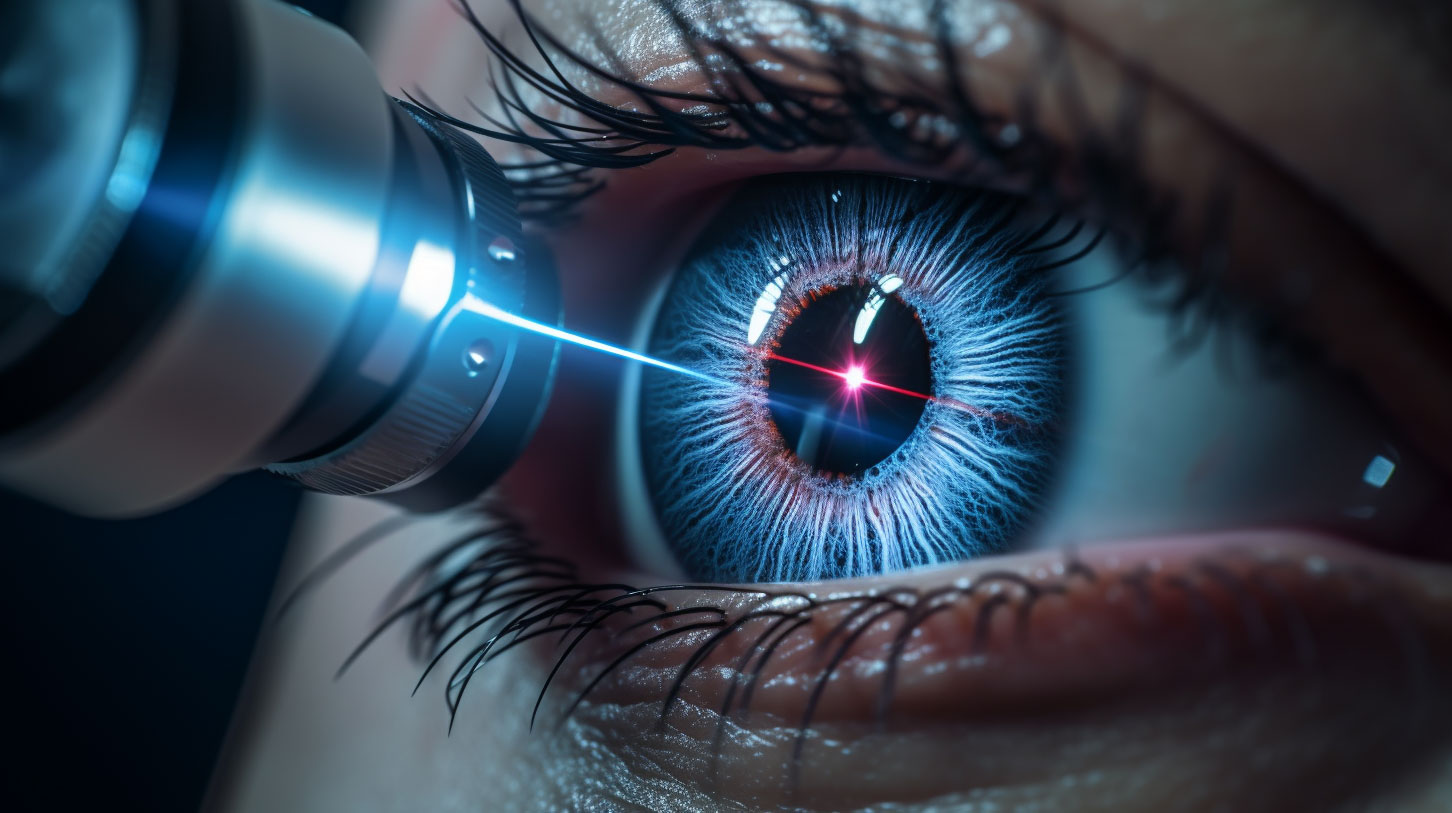
Laser eye surgery improves vision by reshaping the cornea so that light focuses correctly on the retina.
Why Vision Becomes Blurry
Vision problems occur due to:
- Myopia (short-sightedness)
- Hyperopia (long-sightedness)
- Astigmatism
Laser technology removes microscopic layers of corneal tissue with extreme precision, correcting the way light enters the eye.
Why the Correction Is Permanent
Once the cornea is reshaped, it does not grow back to its original form. This is why laser eye surgery is considered permanent from a structural standpoint.
Types of Laser Eye Surgery and Long-Term Stability
Different procedures offer similar long-term stability when performed on suitable candidates.
LASIK
LASIK has the longest track record.
Long-term outcomes:
- Stable vision in the vast majority of patients
- High satisfaction rates even 10–20 years later
- Enhancements sometimes required for fine-tuning
PRK
PRK often shows excellent long-term stability.
Long-term outcomes:
- Particularly stable for higher prescriptions
- Lower risk of regression in some cases
- Longer initial recovery, but similar long-term results to LASIK
SMILE
SMILE is newer but supported by growing long-term data.
Long-term outcomes:
- Comparable stability to LASIK
- Lower incidence of dry eye symptoms
- Long-term results continue to be monitored, with strong early evidence
What Do Long-Term Studies Say About Laser Eye Surgery?
Decades of clinical studies provide reassuring data.
Key Findings from Long-Term Research
- Most patients maintain excellent functional vision for many years
- Over 90% report satisfaction long-term
- Regression is uncommon when prescriptions were stable before surgery
- Enhancements are occasionally required, not failures
Studies following patients for 10–20 years show that laser eye surgery remains one of the most predictable refractive procedures in medicine.
Does Vision Change After Laser Eye Surgery?
Yes—but usually not because the surgery “wears off.”
Common Reasons Vision Changes Over Time
- Presbyopia (age-related difficulty focusing up close, usually after 40)
- Natural lens changes inside the eye
- Rare progression of myopia in younger patients
These changes would occur with or without laser eye surgery.
Who Is Most Likely to Maintain Long-Term Results?
Best Candidates for Long-Lasting Results
- Stable prescription for at least 12 months
- Mild to moderate refractive errors
- Healthy corneas
- No underlying eye disease
Who May Notice Changes Earlier
- Very high prescriptions
- Younger patients with unstable vision
- People with certain systemic conditions
Careful screening plays a critical role in long-term success.
Safety, Risks, and Long-Term Success Rates
Overall Success Rates
- Over 95% achieve driving-standard vision
- Majority maintain results long-term
- Enhancement rates around 2–5%
Long-Term Risks
- Chronic dry eye (uncommon with modern techniques)
- Night vision disturbances (often improve over time)
- Rare need for retreatment
Serious long-term complications are very rare.
Step-by-Step: What Happens During Laser Eye Surgery
Before Surgery
- Comprehensive eye examination
- Corneal mapping
- Tear film evaluation
- Discussion of long-term expectations
During Surgery
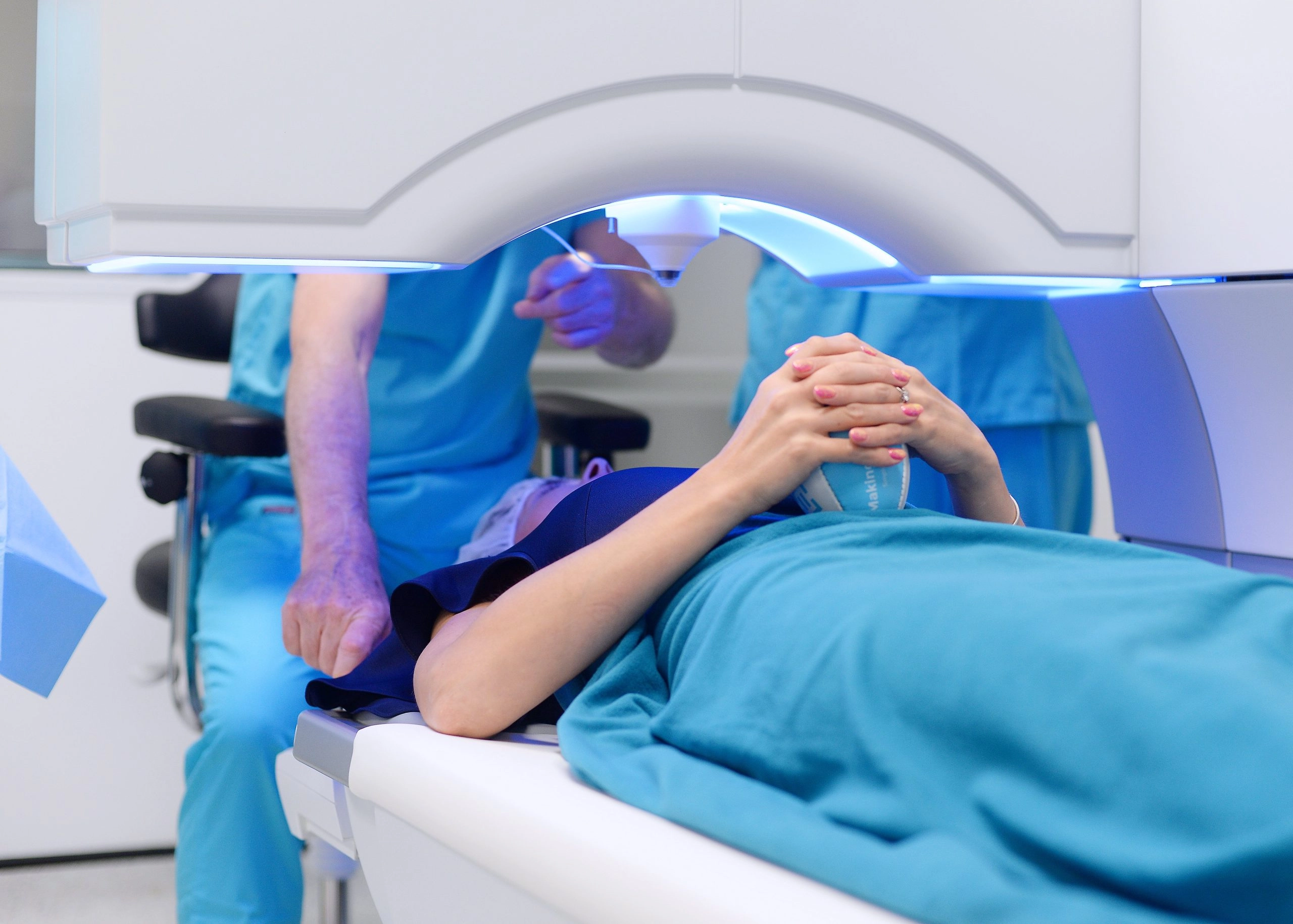
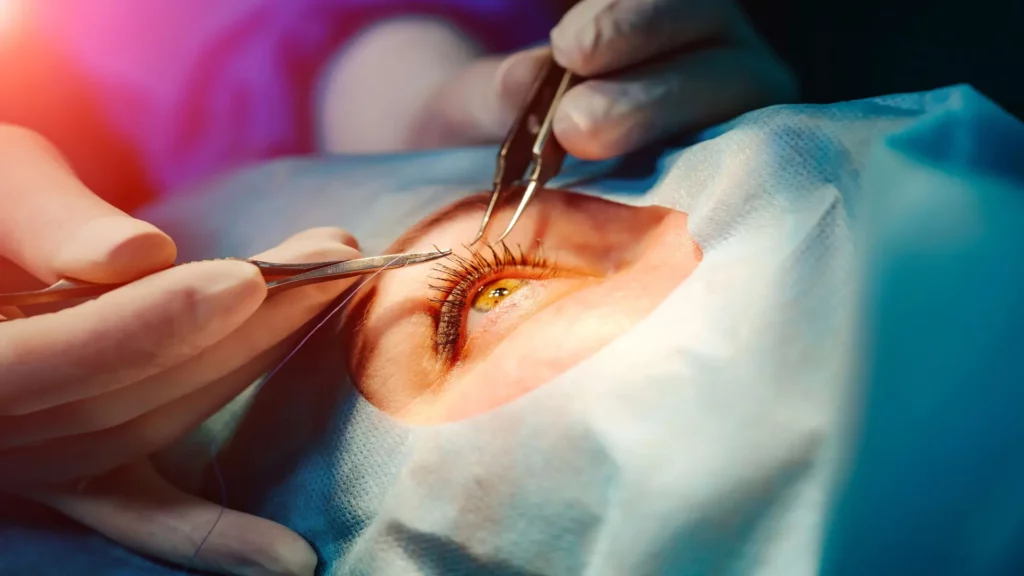
- Procedure takes about 10–15 minutes per eye
- Laser time measured in seconds
- No pain due to anaesthetic drops
After Surgery
- Same-day discharge
- Follow-up visits scheduled
- Protective eye shields provided
Recovery Timeline and Vision Stability
Short-Term Recovery
- LASIK/SMILE: clear vision within days
- PRK: gradual improvement over weeks
Medium-Term Stability
- Vision stabilises over 1–3 months
- Minor fluctuations are normal
Long-Term Stability
- Most patients enjoy stable vision for many years
- Age-related changes may require reading glasses later
Cost of Laser Eye Surgery in Australia
| Procedure | Average Cost per Eye (AUD) |
|---|---|
| LASIK | $2,500 – $3,500 |
| PRK | $2,200 – $3,200 |
| SMILE | $3,000 – $4,000 |
Value Over Time
While the upfront cost may seem high, many patients find laser eye surgery cost-effective compared to decades of glasses, contact lenses, and eye exams.
Benefits vs Limitations Over the Long Term
Long-Term Benefits
- Permanent corneal correction
- Reduced reliance on corrective lenses
- Improved quality of life
- High satisfaction rates
Long-Term Limitations
- Does not stop natural ageing of the eyes
- Reading glasses may still be needed
- Enhancements occasionally required
Expert Tips to Maximise Long-Term Results
- Choose a clinic with thorough screening
- Ensure your prescription is stable
- Follow post-operative instructions closely
- Attend all follow-up appointments
- Maintain regular eye health checks
Final Thoughts: Is Laser Eye Surgery a Lifetime Solution?
Laser eye surgery provides permanent correction of existing refractive errors, and for most patients, the results last many years—often decades. While it does not prevent natural ageing of the eyes, it significantly reduces dependence on glasses and contact lenses for the majority of life.
A personalised consultation with a qualified ophthalmologist is essential to determine expected long-term outcomes for your eyes.
Frequently Asked Questions (FAQs)
Does laser eye surgery ever wear off?
No. The corneal reshaping is permanent, but natural ageing can change vision.
Will I need glasses again after laser eye surgery?
Possibly later in life, especially for reading after age 40.
How often do people need enhancements?
Around 2–5% of patients may require minor enhancements.
Is PRK more stable long-term than LASIK?
Both offer excellent long-term stability when properly performed.
Is laser eye surgery worth it long-term?
For many patients, yes—due to convenience, quality of life, and long-term value.