

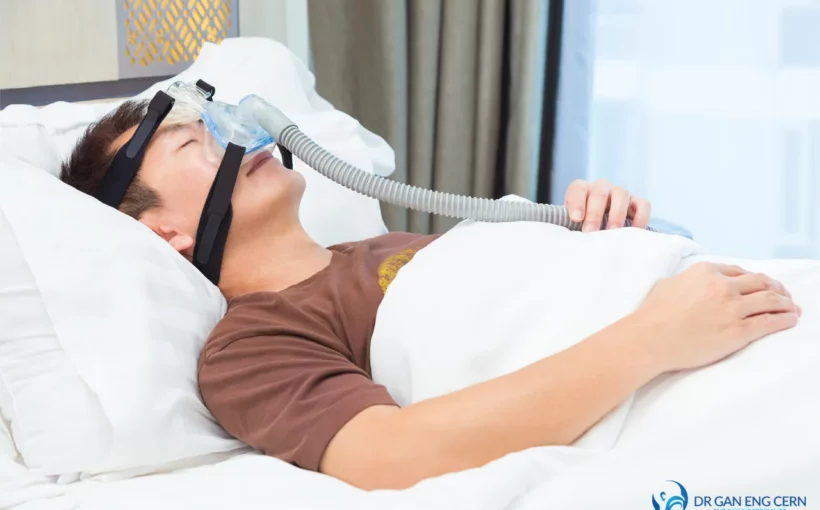
What Is a Bulk-Bill Sleep Study and How Does It Work in Perth?
A bulk-bill sleep study Perth is an overnight diagnostic test that Medicare covers entirely, meaning eligible patients pay nothing out-of-pocket. This service monitors your body’s functions while you sleep to identify sleep disorders.
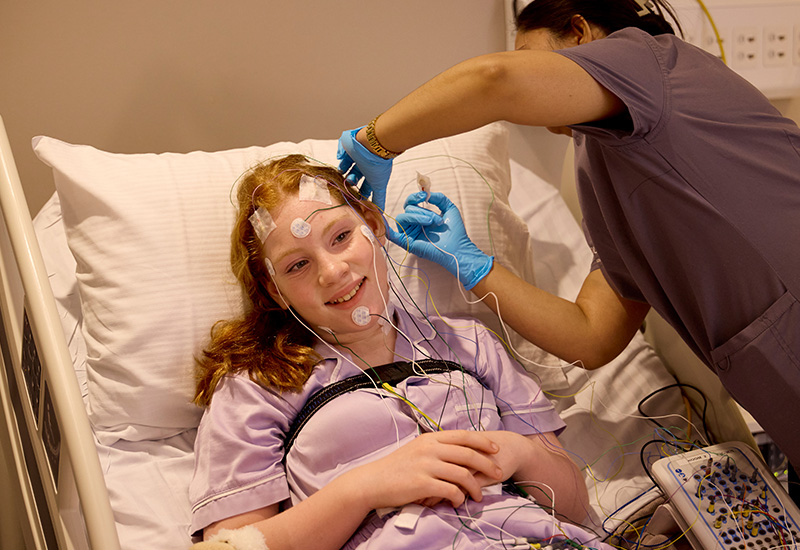
The test tracks multiple physiological markers simultaneously. Medical equipment records your breathing patterns, oxygen saturation levels, brain wave activity, muscle movements, heart rhythm, and sleeping position throughout the night. These measurements create a comprehensive picture of what happens to your body during sleep.
Sleep monitoring captures data that reveals disruptions you might not consciously notice. Many people with sleep apnea stop breathing repeatedly during the night without remembering these episodes. The diagnostic equipment detects these pauses, along with changes in oxygen levels and brain activity that indicate poor sleep quality.
How Do Bulk-Bill Sleep Studies Work?
The process works through specialized sensors attached to different parts of your body:
- Breathing sensors placed near your nose and mouth detect airflow
- Chest and abdomen bands measure respiratory effort
- Pulse oximeter clips to your finger to track oxygen levels
- EEG electrodes on your scalp record brain wave patterns
- EMG sensors monitor muscle tension and movement
- ECG leads track heart rate and rhythm
- Position sensors identify whether you sleep on your back, side, or stomach
Why Are Sleep Studies Important?
Sleep studies play a critical role in diagnosing conditions like obstructive sleep apnea, which affects thousands of Western Australians. Without proper diagnosis, these disorders remain untreated and contribute to serious health complications.
The detailed data from a home sleep study Perth allows specialists to determine the severity of your condition and recommend appropriate treatment options. Moreover, it’s essential to understand that the insights gained from such studies can also help in exploring other related aspects of sleep health, such as the impact of lifestyle choices on sleep quality as discussed in this study.
What Types of Sleep Studies Are Available in Western Australia?
Western Australia offers two main categories of sleep studies: type 2 (home-based) and type 1 (in-clinic) studies. Type 2 home-based sleep study Perth options involve portable monitoring equipment that patients use in their own beds, recording essential data like breathing patterns and oxygen saturation levels throughout the night. Type 1 in-clinic sleep study Perth services take place in specialized sleep laboratories where comprehensive monitoring occurs under supervised conditions.
How Do Home-Based and In-Clinic Studies Differ?
Home-based studies focus on respiratory metrics and oxygen levels using simplified equipment. Patients receive a portable device, instructions for attachment, and return the equipment the following day for data analysis. The setup typically includes nasal airflow sensors, chest and abdomen effort belts, and a finger pulse oximeter.
In-clinic studies capture a broader range of physiological data. These type 1 and type 2 sleep studies differ significantly in scope—laboratory testing includes:
- Polysomnography (PSG) measuring brain wave activity through electroencephalography
- Electrooculography tracking eye movements during REM sleep
- Electromyography monitoring muscle tone and leg movements
- Electrocardiography recording heart rhythm patterns
- Video recording of sleep positions and behaviors
Sleep technicians remain on-site during in-clinic studies to ensure proper sensor placement and address any technical issues that arise during the night.
What Are the Benefits of Each Testing Method?
Home-based sleep study Perth services offer convenience and comfort. Patients sleep in familiar surroundings without travel requirements or overnight accommodation concerns. The simplified setup reduces anxiety for those uncomfortable with clinical environments. Cost-effectiveness makes home testing an accessible first-line diagnostic option for straightforward cases.
In-clinic sleep study Perth facilities provide diagnostic precision. The comprehensive data collection identifies complex sleep disorders beyond basic sleep apnea, including periodic limb movement disorder, narcolepsy, and parasomnias. Technician supervision ensures high-quality recordings without data loss from sensor displacement. Real-time monitoring allows immediate intervention if safety concerns arise.
What Limitations Should Patients Consider?
Home studies cannot detect certain sleep disorders requiring brain wave analysis. The equipment measures respiratory events but misses neurological conditions

Who Qualifies for Bulk Billing Under Medicare for Sleep Studies?
Medicare bulk billing Perth covers sleep studies for patients who meet specific clinical criteria and hold a valid Medicare card. The service is available at no out-of-pocket cost when you satisfy the eligibility requirements and attend an approved provider.
What Medical Criteria Must You Meet?
Your symptoms must indicate a potential sleep disorder requiring diagnostic investigation. Medicare recognizes the following as qualifying indicators:
- Loud, persistent snoring that disrupts household members
- Witnessed breathing pauses or gasping episodes during sleep
- Excessive daytime sleepiness affecting work or daily activities
- Morning headaches occurring regularly upon waking
- Difficulty concentrating or memory problems
- Unexplained mood changes including irritability or depression
- Restless sleep with frequent awakenings
Patients with existing conditions like hypertension, heart disease, or type 2 diabetes receive priority consideration, as sleep apnea commonly coexists with these health issues.
What Referral Requirements Apply?
Eligibility for bulk-billed sleep study services requires a written referral from your general practitioner or medical specialist. The referring doctor must document your symptoms in detail, explaining why a sleep study is medically necessary for your diagnosis and treatment.
Your GP will assess your sleep history through a clinical consultation. They may ask about:
- How long you’ve experienced symptoms
- The severity and frequency of sleep disruptions
- Whether bed partners have noticed breathing irregularities
- Impact on your quality of life and daily functioning
- Relevant medical history and current medications
The referral requirements mandate that your doctor includes specific symptom descriptions rather than general complaints. A referral stating “patient reports tiredness” lacks sufficient detail, while “patient experiences severe daytime somnolence with witnessed apneas 10+ times nightly” meets the documentation standard.
How Can You Prepare for Eligibility?
Track your symptoms for at least two weeks before your GP appointment. Keep a sleep diary noting:
- Bedtime and wake time each day
- Number of times you wake during the night
- Daytime naps and their duration
- Energy levels throughout the day
Where Can Patients Find Bulk-Bill Sleep Study Providers in Perth?
Sleep Solutions Australia and Centurion Healthcare are the primary bulk-bill sleep clinics Perth residents can access for Medicare-covered sleep testing. Both providers operate facilities strategically located near the CBD and in East Victoria Park, making them convenient for patients across the metropolitan area.
Locations of Sleep Solutions Australia and Centurion Healthcare
- Sleep Solutions Australia maintains a clinic at 101 Shepperton Road in East Victoria Park, approximately 5 kilometers from Perth’s city center.
- Centurion Healthcare operates multiple locations throughout Perth’s metropolitan region, including facilities accessible from the CBD.
Services Offered at Perth Bulk-Bill Clinics
The bulk-bill sleep study providers in Perth deliver comprehensive diagnostic services without out-of-pocket costs for qualifying patients:
- Type 1 polysomnography conducted in dedicated sleep rooms with full monitoring equipment
- Type 2 home sleep studies using portable devices delivered to the patient’s residence
- Rapid appointment scheduling with wait times typically under two weeks
- Specialist physician analysis of all study results
- Follow-up consultations to discuss findings and treatment recommendations
- CPAP equipment trials for patients diagnosed with sleep apnea
- Ongoing support throughout the treatment journey
These clinics maintain extended operating hours to accommodate patients who work standard business hours. Evening and weekend appointments are frequently available for home study equipment collection and return.
Booking Process for Bulk-Billed Sleep Studies
Finding a bulk-bill sleep study Perth appointment begins with obtaining a valid referral from your GP or specialist. The referral must include specific symptom documentation and medical history relevant to suspected sleep disorders.
Step 1: Contact the Clinic Directly Phone the clinic of your choice and inform the receptionist you have a Medicare referral for a bulk-billed sleep study. Have
What Happens During and After a Bulk-Bill Sleep Study?
The sleep study procedure Perth clinics conduct begins when you arrive at the facility or set up home equipment in the evening. Sensors are attached to your scalp, chest, and limbs to record brain activity, breathing patterns, oxygen saturation, heart rate, and body movements throughout the night. You sleep as naturally as possible while the equipment continuously monitors these vital functions.
The Overnight Testing Experience
In-clinic studies take place in a private, hotel-style room where trained technicians ensure all monitoring equipment functions correctly. The sensors connect to a central recording device through thin wires that allow movement during sleep. Home-based studies use simplified portable devices that patients attach themselves following detailed instructions from their provider.
The testing captures data across multiple sleep cycles, typically requiring 6-8 hours of recording time. Patients can use the bathroom during the night, and technicians can adjust sensors if they become loose. The equipment measures:
- Airflow through the nose and mouth
- Chest and abdominal movement
- Blood oxygen levels via finger probe
- Brain wave patterns (in-clinic only)
- Leg movements and muscle tone
- Heart rhythm and rate
- Sleeping position changes
Specialist Analysis and Diagnosis Process
A sleep physician reviews the collected data within 1-2 weeks after your study. The post-study specialist review involves examining hundreds of data points to identify breathing interruptions, oxygen desaturations, and sleep fragmentation patterns. The specialist calculates your Apnea-Hypopnea Index (AHI), which measures the number of breathing pauses per hour of sleep.
An AHI score determines the presence and severity of obstructive sleep apnea:
- Normal: Fewer than 5 events per hour
- Mild: 5-15 events per hour
- Moderate: 15-30 events per hour
- Severe: More than 30 events per hour
The diagnosis process also evaluates oxygen level drops, sleep stage distribution, and arousal frequency. Specialists look for patterns indicating other conditions like periodic limb movement disorder or central sleep apnea.
Treatment Planning Based on Findings
Your healthcare provider schedules a follow-up appointment to discuss the results of your sleep study and develop an appropriate treatment plan based on the findings.
How Effective Is CPAP Therapy for Treating Sleep Apnea?
CPAP therapy is widely regarded as the most effective treatment for obstructive sleep apnea. It works by delivering pressurized air through a mask, keeping the airways open throughout the night. The machine creates a gentle cushion of air that prevents the throat muscles from collapsing, ensuring uninterrupted breathing during sleep.
How CPAP Therapy Works
The mechanism behind CPAP therapy benefits Perth patients through consistent air pressure calibrated to each individual’s needs. Here’s how it works:
- Personalized settings: Each person with sleep apnea has different requirements for airway pressure. A healthcare professional determines the optimal pressure setting based on a sleep study or other assessments.
- Device setup: A small device, known as a CPAP machine, is placed on the bedside table. It is connected to a mask that covers either just the nose or both the nose and mouth.
- Pressurized airflow: When the user sleeps, the CPAP machine generates a steady stream of air at the prescribed pressure. This airflow acts as a splint, keeping the throat open and preventing any collapse.
- Comfortable mask fit: To ensure effectiveness, it is crucial for the mask to fit snugly but comfortably. Various types of masks are available to accommodate different preferences and sleeping positions.
Immediate Benefits of CPAP Therapy
Patients typically experience significant improvements within the first few weeks of using CPAP therapy consistently:
- Reduced snoring: As airways remain open and stable, snoring may decrease or completely stop.
- Increased daytime alertness: Uninterrupted sleep cycles lead to more restorative sleep, resulting in enhanced wakefulness during the day.
- Better concentration and memory: Improved oxygen supply to the brain enhances cognitive function, leading to sharper focus and better recall abilities.
- Relief from morning headaches: Normalization of carbon dioxide levels overnight can alleviate headaches that occur upon waking.
- Improved mood regulation: Quality sleep restoration positively impacts emotional well-being and reduces irritability.
Long-Term Health Benefits of CPAP Therapy
The advantages of CPAP therapy extend beyond immediate symptom relief. Research indicates that consistent use of CPAP can have significant long-term effects on cardiovascular health:
- Reduced stroke risk: Improved oxygen saturation levels and blood pressure control associated with CPAP use may lower the likelihood of strokes.
- Decreased heart attack incidence: By reducing cardiac strain during sleep, CPAP therapy may help prevent heart attacks in susceptible individuals.
- Stabilized arrhythmias: Regular use of CPAP has been shown to stabilize breathing patterns, potentially decreasing irregular heartbeats (arrhythmias).
- Better outcomes for heart failure patients: For individuals with existing heart conditions, such as congestive heart failure, using CPAP can lead to improved symptoms and overall prognosis.
Energy Restoration Through Deep Sleep
One of the most transformative effects of CPAP therapy is its ability to restore energy levels. Untreated sleep apnea often results in chronic fatigue due to disrupted sleep patterns. With effective treatment via CPAP:
- Deep restorative sleep stages achieved: The body can finally reach deep stages of sleep that are essential for physical recovery and rejuvenation.
- Renewed stamina for daily activities: Many Perth patients report feeling genuinely rested after consistent use of CPAP, allowing them to engage fully in work, hobbies, and exercise without excessive tiredness.
Monitoring Blood Pressure Improvements
Another area where positive changes may be observed is blood pressure management:
- Hypertension reduction over time: Studies indicate that individuals with both high blood pressure (hypertension) and obstructive sleep apnea experience notable reductions in their blood pressure readings when adhering to regular CPAP therapy.
- Nighttime cardiovascular stress alleviation: Since cardiovascular stress tends to peak during nighttime hours when breathing disturbances occur most frequently in untreated sleep apnea cases, addressing these disruptions through effective treatment can lead to better blood pressure control overall.
By combining these immediate benefits with long-term health protections against serious conditions like strokes or heart attacks, it becomes evident why many experts consider continuous positive airway pressure (CPAP) therapy as not just a solution for better sleeping but also an investment towards healthier living!
Why Is Timely Diagnosis of Sleep Apnea Important for Health?
What health complications arise from untreated sleep apnea?
Untreated sleep apnea creates serious health risks that extend far beyond poor sleep quality. The repeated oxygen deprivation and sleep fragmentation trigger a cascade of physiological stress responses throughout the body.
The health risks untreated sleep apnea presents include significantly elevated chances of developing cardiovascular disease. When breathing stops repeatedly during the night, blood oxygen levels drop and blood pressure spikes. These events strain the cardiovascular system night after night, year after year.
Which specific conditions are linked to undiagnosed sleep apnea?
Research demonstrates clear connections between untreated sleep apnea and multiple serious health conditions:
- Heart disease and stroke: The oxygen fluctuations and blood pressure surges during apnea episodes damage blood vessels and increase clotting risks
- Type II diabetes: Sleep disruption affects insulin sensitivity and glucose metabolism, raising diabetes risk by up to 30%
- Hypertension: More than 50% of people with sleep apnea develop high blood pressure due to repeated stress responses
- Depression and anxiety: Chronic sleep deprivation alters brain chemistry and mood regulation
- Cognitive decline: Reduced oxygen to the brain during sleep affects memory, concentration, and decision-making abilities
How does early diagnosis change health outcomes in Perth?
Finding a bulk-bill sleep study Perth in Western Australia provides accessible pathways to diagnosis before complications develop. Early detection allows medical teams to implement treatment strategies that directly address the root cause of oxygen deprivation.
Accurate diagnosis through a bulk-billed sleep study creates a foundation for targeted intervention. When specialists identify the severity and pattern of breathing interruptions, they can prescribe appropriate treatments matched to individual needs. This precision prevents the trial-and-error approach that delays effective care.
What protective benefits does diagnosis and treatment provide?
The importance of diagnosis Perth residents should understand extends to measurable health improvements. Studies tracking patients after sleep apnea treatment show:
- Blood pressure reductions of 5-10 mmHg within months of starting therapy
- Decreased cardiovascular event rates by up to 40% compared to untreated patients
- Improved insulin sensitivity and glycemic control in diabetic individuals
These outcomes highlight how timely diagnosis and intervention can mitigate the long-term consequences associated with untreated sleep apnea. By addressing both immediate symptoms and underlying risk factors, healthcare providers can significantly enhance overall well-being for affected individuals.