

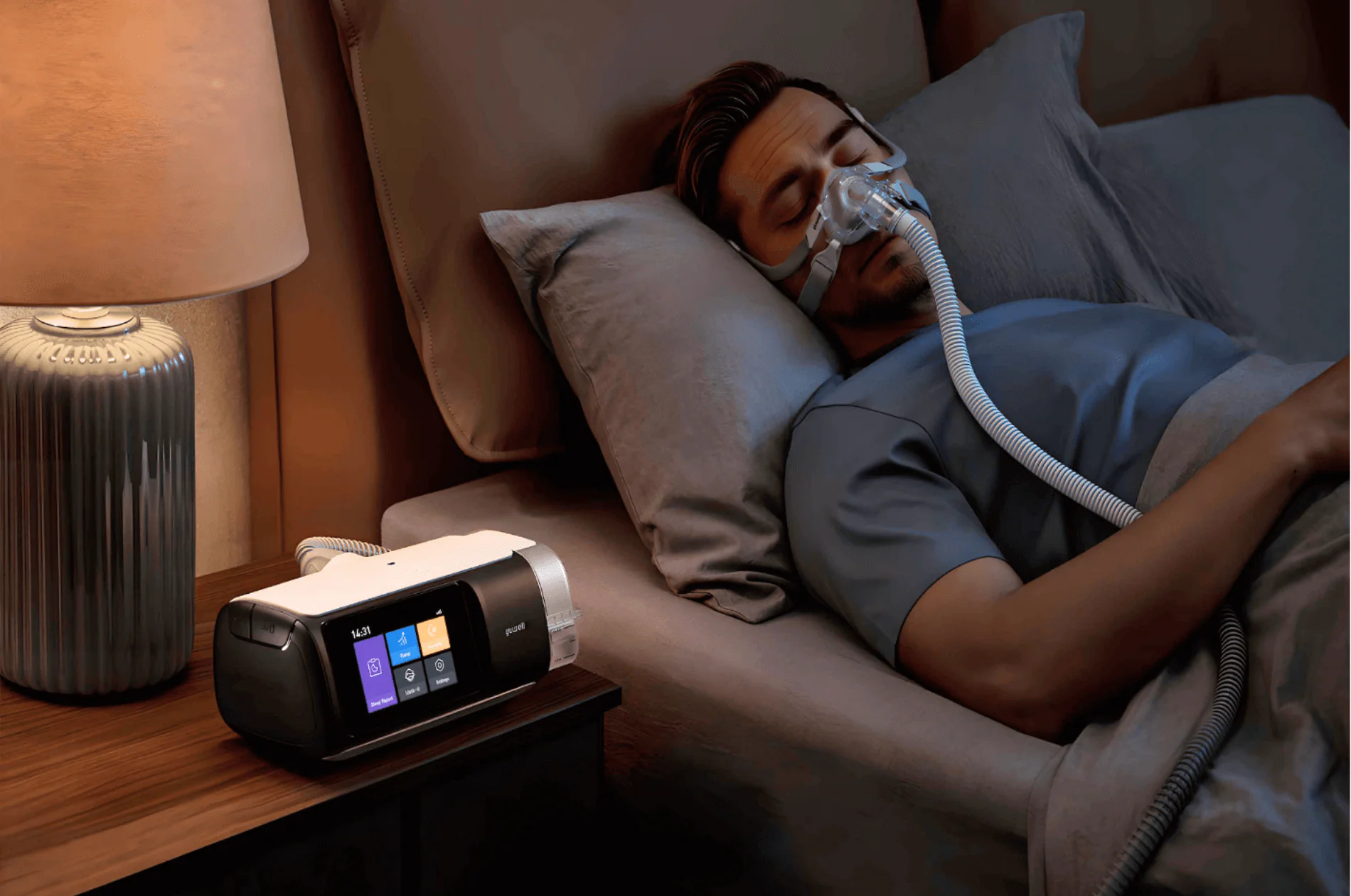
For many people with obstructive sleep apnea, CPAP is the first-line therapy because it targets the core issue: airway collapse during sleep. When the airway stays open, sleep becomes more stable and restorative.
What is a CPAP machine, and how does it work?
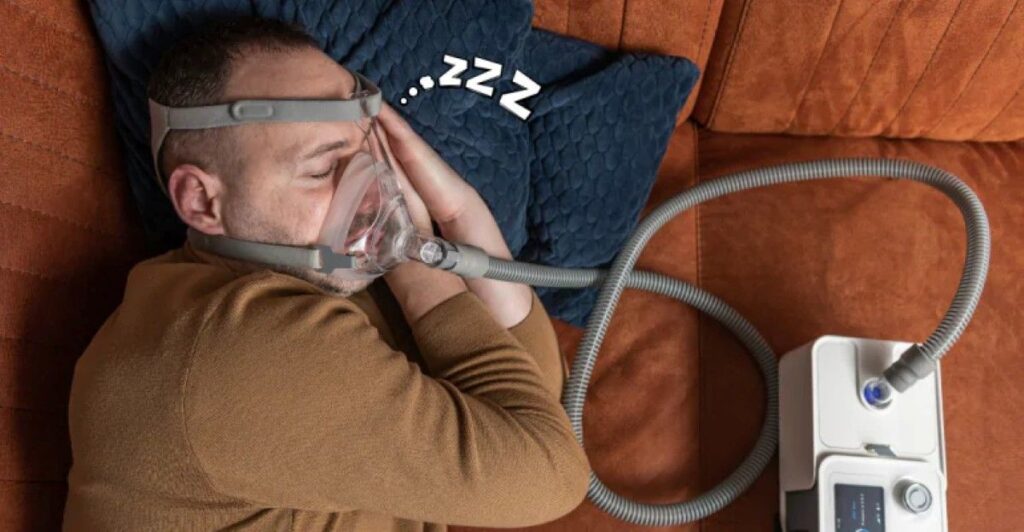
A CPAP machine delivers a steady stream of pressurized air through a mask to prevent the upper airway from collapsing. By acting like an “air splint,” it helps maintain airflow even when throat muscles relax during sleep.
The basic setup includes the device, tubing, a mask, and often a humidifier. Pressure is typically set after a sleep study, and some devices adjust automatically (APAP) to match changing needs through the night.
How does CPAP improve breathing and oxygen levels at night?
CPAP reduces or eliminates apneas (breathing pauses) and hypopneas (shallow breathing), which helps restore normal oxygen levels. With fewer interruptions, the body spends less time in low-oxygen stress cycles.
This matters because repeated oxygen drops can strain the heart and blood vessels and fragment sleep. When oxygen stays steadier, the body can move through deeper sleep stages more normally.
Why does CPAP reduce daytime sleepiness and brain fog?
CPAP improves daytime alertness because it reduces sleep fragmentation caused by repeated micro-awakenings. When breathing stabilizes, sleep becomes less “broken,” even if they do not remember waking up.
Over time, many users notice better concentration, faster reaction time, and improved mood. These benefits typically track with nightly use, especially when they wear the mask for most of the night rather than only a few hours.
How does CPAP affect blood pressure and cardiovascular risk?
CPAP can help lower blood pressure in some people, particularly those with moderate to severe obstructive sleep apnea and good nightly adherence. By reducing nighttime surges in stress hormones and oxygen drops, the cardiovascular system experiences less strain.
Sleep apnea is also linked with arrhythmias and other heart-related risks. While CPAP is not a standalone “heart treatment,” it can meaningfully reduce a major driver of nightly physiological stress.
How does CPAP help with snoring and bed-partner sleep quality?
CPAP often reduces snoring because snoring typically comes from partial airway narrowing and vibrating tissues. When the airway is held open, that vibration decreases or disappears.
This can improve sleep quality for both the user and their bed partner. Fewer disturbances may also reduce relationship stress tied to loud snoring and separate sleeping arrangements.
What role does CPAP adherence play in real-world outcomes?
Outcomes depend heavily on whether they use CPAP long enough each night and across most nights. Many benefits become stronger when CPAP is used for the entire sleep period, not just at the beginning.
Consistency also helps with comfort and adaptation. When use is sporadic, mask fit issues, dryness, or pressure discomfort often linger because they never fully acclimate to the routine.
How can they improve comfort so CPAP works better?
Comfort improves when they match the mask style to their breathing and sleeping habits, then fine-tune fit to prevent leaks without over-tightening. Heated humidification can reduce dryness, congestion, and sore throat.
They can also ask clinicians about pressure features such as ramp settings or expiratory pressure relief. If they feel claustrophobic or keep removing the mask, smaller masks or different headgear can make long-term use more realistic. Check out more about top 5 CPAP masks Australia for comfort and compliance.
When should they consider alternatives or adjustments to CPAP therapy?
They should consider adjustments if symptoms persist, they cannot tolerate the mask despite troubleshooting, or device data shows ongoing events or large leaks. Many problems can be solved by changing the mask, updating pressure settings, or treating nasal obstruction.
If CPAP remains intolerable, clinicians may discuss alternatives such as oral appliance therapy, positional therapy, weight management strategies, or surgery for selected cases. The best outcomes usually come from matching the therapy to their specific anatomy, severity, and lifestyle.
FAQs (Frequently Asked Questions)
What is a CPAP machine and how does it treat obstructive sleep apnea?
A CPAP machine delivers a steady stream of pressurized air through a mask to keep the upper airway open during sleep. By acting like an “air splint,” it prevents airway collapse, reducing breathing interruptions that cause poor sleep, low oxygen levels, and daytime symptoms associated with obstructive sleep apnea.
How does CPAP therapy improve breathing and oxygen levels throughout the night?
CPAP therapy reduces or eliminates apneas (breathing pauses) and hypopneas (shallow breathing), helping restore normal oxygen saturation. This prevents repeated oxygen drops that strain the heart and blood vessels, allowing the body to maintain deeper, more restorative sleep stages.
Why does using CPAP reduce daytime sleepiness and improve mental clarity?
By stabilizing breathing and minimizing sleep fragmentation caused by micro-awakenings, CPAP improves overall sleep quality. Consistent use leads to better concentration, faster reaction times, improved mood, and reduced daytime brain fog and fatigue.
Can CPAP therapy lower blood pressure and reduce cardiovascular risks?
Yes, in many cases CPAP helps lower blood pressure by decreasing nighttime surges in stress hormones and preventing oxygen drops. This reduces cardiovascular strain linked to obstructive sleep apnea, potentially lowering risks such as arrhythmias and other heart-related complications.
How does CPAP treatment affect snoring and bed-partner sleep quality?
CPAP often reduces or eliminates snoring by keeping the airway open, which stops tissue vibrations that cause snoring sounds. This improvement enhances sleep quality for both the user and their bed partner, reducing disturbances and relationship stress associated with loud snoring.
What factors influence successful outcomes with CPAP therapy?
Consistent nightly use of CPAP for the entire sleep period is crucial for optimal outcomes. Proper mask fit, comfort adjustments like heated humidification, pressure settings customization, and addressing issues such as dryness or claustrophobia enhance adherence and maximize treatment benefits.